10 Profitable Reasons to Buy Liquidation Pallets for Resale in 2026
The liquidation industry has experienced massive growth over the past few years, and 2026 is shaping up to be one of the best years yet for resellers and entrepreneurs looking to enter the wholesale market. More people are turning to liquidation pallets as a way to build profitable businesses, start side hustles, and generate additional income streams from home. Whether you are an experienced reseller or someone completely new to the business, liquidation pallets offer opportunities that are difficult to ignore.
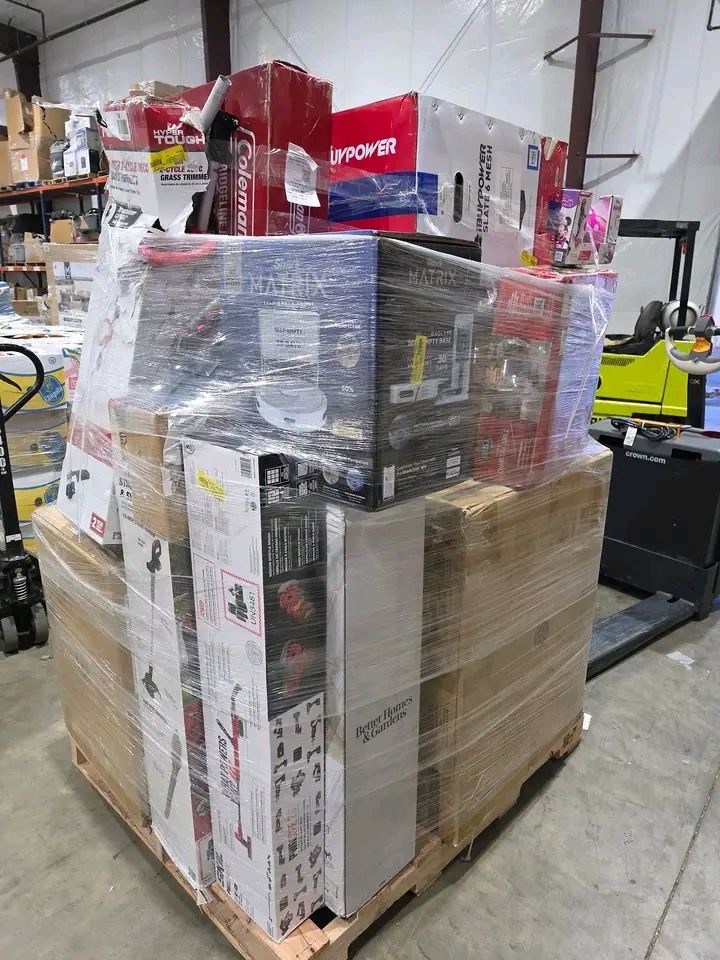
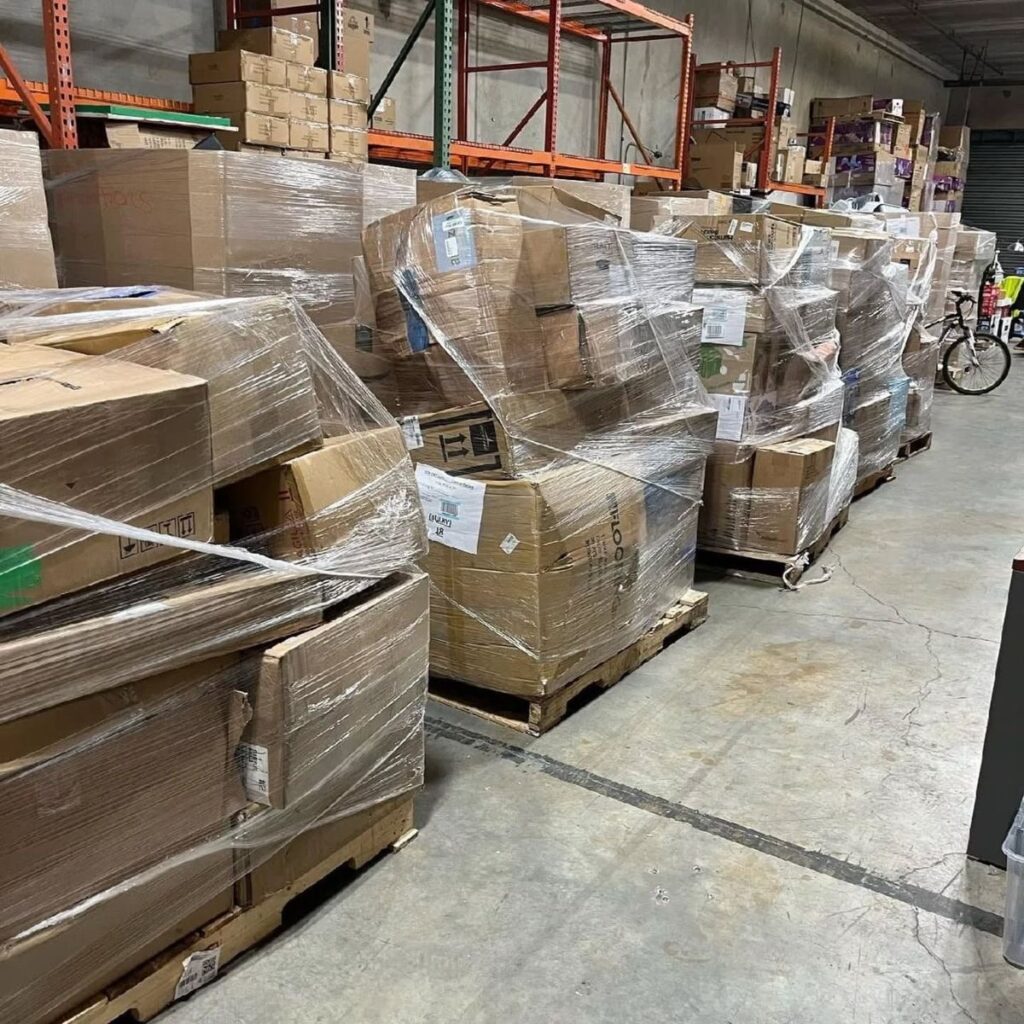
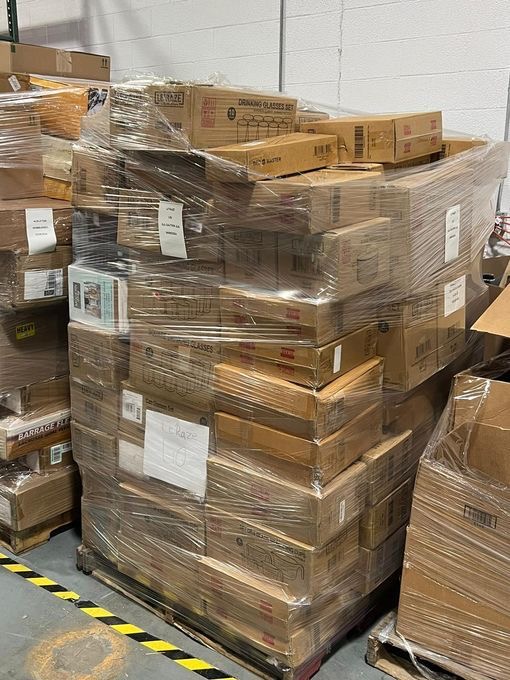
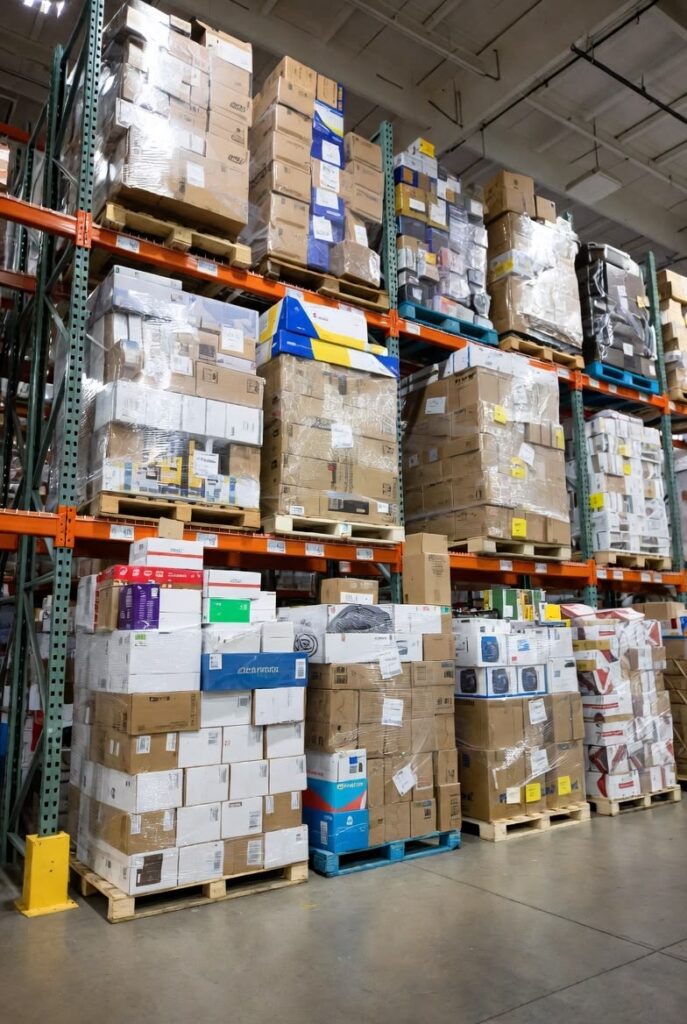
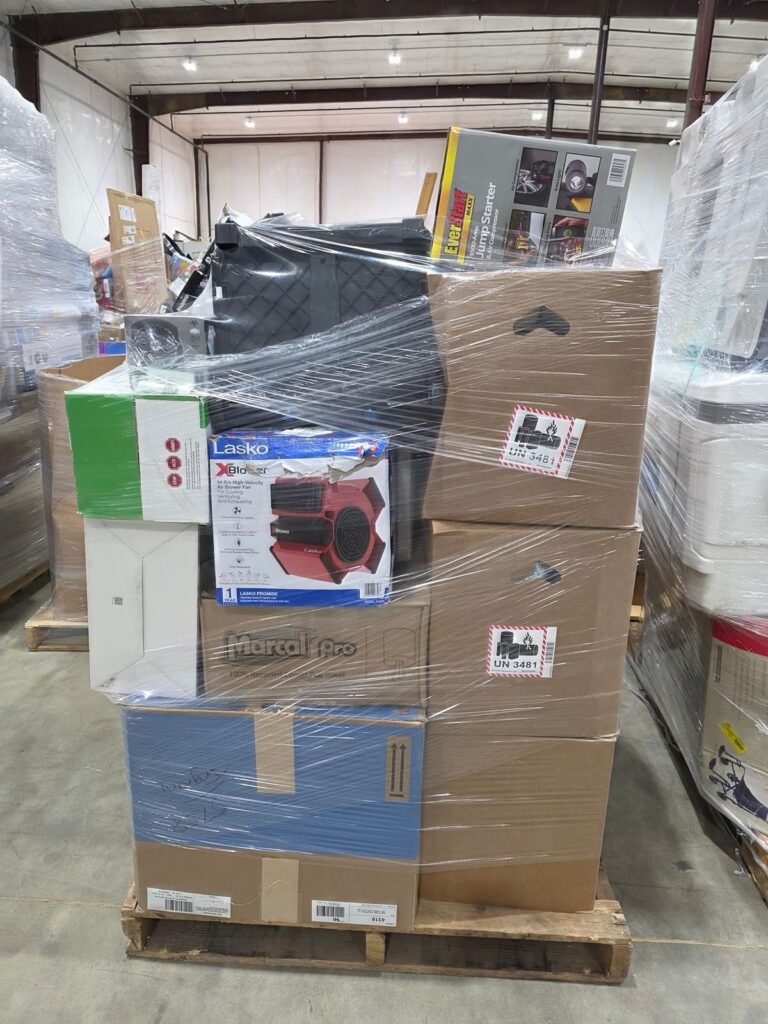
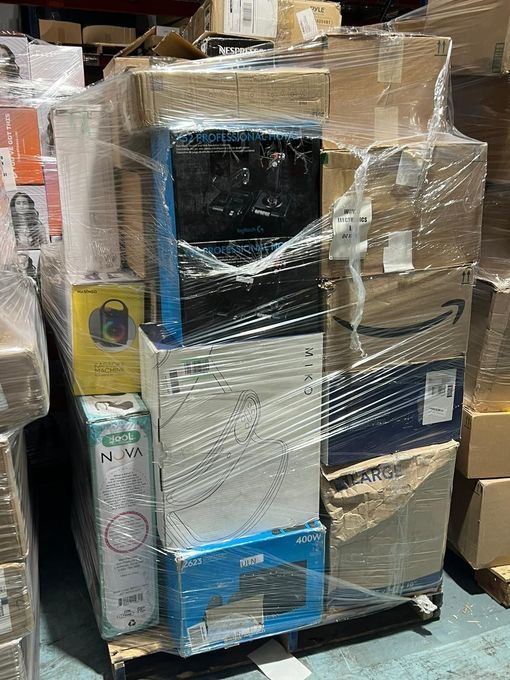
Liquidation pallets are collections of products sold in bulk by retailers, manufacturers, and distribution centers. These products may include customer returns, shelf pulls, overstock inventory, or discontinued merchandise. Major retailers such as Amazon, Walmart, Target, Costco, and Home Depot regularly liquidate excess inventory to free up warehouse space and recover part of their losses. This creates a huge opportunity for resellers who know how to source, sort, and resell inventory profitably.
One of the biggest advantages of liquidation pallets is the low entry cost compared to traditional retail businesses. Instead of purchasing products individually at retail prices, resellers can buy large quantities of inventory at heavily discounted rates. In many cases, products can be purchased for a fraction of their original retail value, allowing for significant profit margins when items are resold individually.
Another reason liquidation pallets are becoming increasingly popular is the growth of online marketplaces. Platforms such as eBay, Facebook Marketplace, Amazon, Craigslist, Mercari, and local resale groups make it easier than ever to sell liquidation inventory quickly. Many resellers are earning thousands of dollars monthly simply by purchasing pallets and reselling the contents online or through local markets.
In addition to online selling opportunities, liquidation pallets also support physical retail businesses. Discount stores, flea market vendors, convenience shops, and bin stores often rely heavily on liquidation inventory to keep their shelves stocked with affordable products. Since customers are constantly searching for bargains and discounted merchandise, liquidation products tend to sell quickly when priced correctly.
The variety available in liquidation pallets is another major benefit. Buyers can choose from categories such as electronics, home goods, baby products, tools, apparel, shoes, toys, cosmetics, furniture, appliances, and even truckloads of mixed merchandise. This flexibility allows resellers to focus on niches they understand best or test multiple product categories to determine which items generate the highest profits.
Many successful entrepreneurs started with a single pallet before scaling into larger wholesale operations. Some eventually transition into owning warehouses, online stores, or retail outlets dedicated entirely to liquidation merchandise. Because the business model is scalable, liquidation pallets can work for both part-time sellers and full-time business owners.
Another reason the industry continues to grow is because consumer demand for affordable products remains extremely high. Economic uncertainty, inflation, and rising retail prices encourage shoppers to search for discounted alternatives. Liquidation inventory provides consumers with brand-name products at lower prices, creating a win-win situation for both resellers and buyers.
When purchasing liquidation pallets, it is important to work with reliable suppliers that provide quality inventory and transparent descriptions. Trusted suppliers help reduce risk and improve the likelihood of receiving profitable merchandise. Buyers should also pay close attention to manifests, pallet conditions, shipping costs, and return policies before placing large orders.
The most profitable liquidation businesses are usually built by individuals who stay consistent, learn the market, and gradually scale their operations over time. Instead of expecting instant success, experienced resellers focus on building long-term systems for sourcing inventory, organizing products, pricing merchandise, and improving customer relationships.
1. Low Startup Costs
One of the main reasons people enter the liquidation industry is because the startup costs are relatively affordable compared to many traditional businesses. Opening a retail store from scratch often requires expensive inventory purchases, commercial leases, staffing, and significant upfront investments. Liquidation pallets, however, allow entrepreneurs to start much smaller.
Many beginners purchase a single pallet to learn how the process works before scaling into larger orders. Some pallets can be purchased for just a few hundred dollars, making them accessible to people with limited budgets. As profits grow, resellers can reinvest earnings into larger inventory purchases and expand gradually.
This low barrier to entry makes liquidation pallets attractive for students, stay-at-home parents, side hustlers, and first-time business owners looking to build additional income streams.
2. High Profit Potential
Liquidation pallets offer strong profit margins because products are often purchased far below retail value. Many pallets contain items that are brand new, lightly used, or returned simply because customers changed their minds.
A reseller may purchase a pallet for a few hundred dollars and recover several times that amount by selling the products individually. Electronics, beauty products, tools, branded apparel, and baby products are especially popular because they tend to maintain strong resale value.
The key to maximizing profits is understanding product demand, pricing competitively, and selecting inventory categories that align with current market trends.
3. Massive Product Variety
Another advantage of liquidation pallets is the huge variety available. Buyers can choose from countless categories depending on their interests and business goals.
Popular pallet categories include:
- Electronics
- Amazon return pallets
- Baby products
- Makeup pallets
- Clothing pallets
- Appliance pallets
- Furniture pallets
- Tool pallets
- Shoe pallets
- Toy pallets
- Seasonal inventory
This variety allows sellers to experiment with different niches and discover which products perform best in their local markets or online stores.
4. Growing Demand for Discount Products
Consumers are becoming more price-conscious every year. Rising retail prices have increased demand for discounted merchandise, making liquidation products highly attractive to shoppers.
Customers love finding brand-name products at lower prices, and liquidation businesses are perfectly positioned to meet that demand. Whether selling online or locally, resellers often find that liquidation inventory moves quickly because buyers are actively searching for bargains.
The continued growth of discount shopping trends is one reason the liquidation industry remains strong even during economic downturns.
5. Flexible Selling Options
Liquidation inventory can be sold through many different channels, giving resellers flexibility and control over their businesses.
Popular selling platforms include:
- eBay
- Facebook Marketplace
- Amazon
- Craigslist
- Mercari
- OfferUp
- TikTok Shop
- Flea markets
- Retail stores
- Bin stores
Some resellers even create their own eCommerce websites to build long-term brands around liquidation merchandise.
Having multiple selling options helps reduce dependency on any single platform and creates more opportunities for consistent sales.
6. Opportunity to Scale Quickly
Many businesses struggle to scale because inventory sourcing becomes difficult as demand increases. Liquidation pallets solve this problem because suppliers often have consistent access to large quantities of merchandise.
Once a reseller develops profitable systems, scaling becomes easier. Businesses can move from buying single pallets to purchasing truckloads of inventory regularly. Some sellers eventually open warehouses, discount stores, or wholesale operations serving other resellers.
Because inventory availability is large and diverse, the liquidation business model supports long-term growth potential.
7. Access to Brand-Name Products
One reason liquidation pallets sell well is because they frequently contain products from recognizable brands. Consumers trust familiar brands and are more willing to purchase them even when sold through secondary markets.
Many pallets include products from:
- Apple
- Samsung
- Nike
- Adidas
- Amazon Basics
- Pampers
- Huggies
- Sony
- Dyson
- KitchenAid
Brand recognition increases buyer confidence and makes inventory easier to resell at profitable prices.
8. Strong Online Business Opportunities
The rise of online selling platforms has transformed the liquidation industry. Resellers no longer need physical stores to operate profitable businesses.
Today, many sellers run entire liquidation operations from home using smartphones, shipping supplies, and online marketplaces. Social media platforms also provide free marketing opportunities that help sellers attract buyers organically.
By combining liquidation inventory with effective online marketing, entrepreneurs can build scalable businesses without major overhead costs.
9. Ideal for Side Hustles
Not everyone wants to run a full-time business immediately. Liquidation pallets are perfect for people looking to start side hustles while maintaining regular jobs.
A single pallet can provide enough inventory for weeks or months of sales depending on the product category. Many people start by reselling part-time during evenings and weekends before transitioning into full-time operations later.
Because the business can grow gradually, liquidation pallets provide flexibility and reduced financial pressure compared to many other startup models.
10. Long-Term Industry Growth
The liquidation industry continues to expand because major retailers constantly deal with excess inventory, customer returns, overstock merchandise, and seasonal product changes.
As eCommerce grows, product returns also continue increasing. Retailers need efficient ways to move returned merchandise quickly, which creates ongoing opportunities for liquidation suppliers and resellers.
This means the liquidation market is unlikely to disappear anytime soon. In fact, experts expect the industry to continue growing as online shopping and consumer returns increase worldwide.
Tips for Choosing the Best Liquidation Pallets
Although liquidation pallets can be highly profitable, buyers should still approach the business strategically. Here are several important tips for beginners.
Research Suppliers Carefully
Always work with reliable suppliers that provide transparent inventory descriptions and fair pricing. Reputable suppliers help reduce risk and improve business consistency.
Start Small
Beginners should avoid spending too much money initially. Starting with one or two pallets allows new resellers to learn the process without excessive financial risk.
Understand Shipping Costs
Shipping costs can significantly affect profitability. Always calculate transportation expenses before purchasing pallets or truckloads.
Learn Product Demand
Research which categories perform best in your local market or preferred online platforms. Some items sell much faster than others.
Organize Inventory Efficiently
Successful resellers sort, test, clean, photograph, and list products professionally. Organization improves workflow and customer satisfaction.
Why Apex Pallets Liquidators Is a Trusted Source
At Apex Pallets Liquidators, we help resellers source quality liquidation inventory at competitive prices. Our inventory includes a wide range of product categories designed for both beginner and experienced buyers.
We provide access to:
- Amazon return pallets
- Makeup pallets
- Electronics pallets
- Baby product pallets
- Truckloads
- Wholesale liquidation inventory
- Customer return merchandise
- Overstock products
Our goal is to help resellers build profitable businesses by offering affordable wholesale inventory with excellent resale potential.
Whether you are looking to start a side hustle or expand an existing resale business, liquidation pallets remain one of the best opportunities available in 2026.
Final Thoughts
Liquidation pallets continue to provide incredible opportunities for entrepreneurs, side hustlers, and wholesale buyers worldwide. With low startup costs, high profit potential, flexible selling options, and growing consumer demand, the liquidation industry remains one of the most attractive business models for resellers in 2026.
Success in the liquidation business requires patience, consistency, and smart sourcing strategies. Buyers who focus on learning the market, choosing reliable suppliers, and building strong selling systems often achieve long-term profitability.
As online shopping continues growing and retailers generate more excess inventory, the demand for liquidation services will likely continue increasing. This creates ongoing opportunities for resellers who are ready to take advantage of the wholesale market.
Whether you are interested in Amazon return pallets, electronics, baby products, makeup pallets, or truckloads of mixed merchandise, now is an excellent time to enter the liquidation industry and start building a profitable resale business. Many resellers also focus heavily on products like Apple Watch Pallets and Electronics Liquidation Pallets because of their strong resale demand and profit margins. Popular inventory categories also include Baby Diapers Pallets, Backpack Pallets, and Makeup Pallets for Resellers, which continue growing in popularity among online sellers.
Also as businesses expands, many resellers eventually transition into purchasing Wholesale Liquidation Truckloads and Customer Return Truckloads to increase inventory volume. Many beginners often start with smaller inventory options such as Amazon returns truckloads before scaling into larger wholesale purchases. Some resellers also diversify into unique inventory categories like Amazon Mystery Box Pallets to attract bargain-focused buyers and social media audiences.
For readers interested in understanding how large retailers liquidate excess inventory, you can Learn more about retail liquidation inventory. If you want to better understand how modern resale businesses operate online, consider Understanding wholesale and resale markets. New resellers who want deeper insight into liquidation sourcing platforms can explore How liquidation marketplaces work.