How to Start a Pallet Reselling Business in 2026 (Complete Guide)
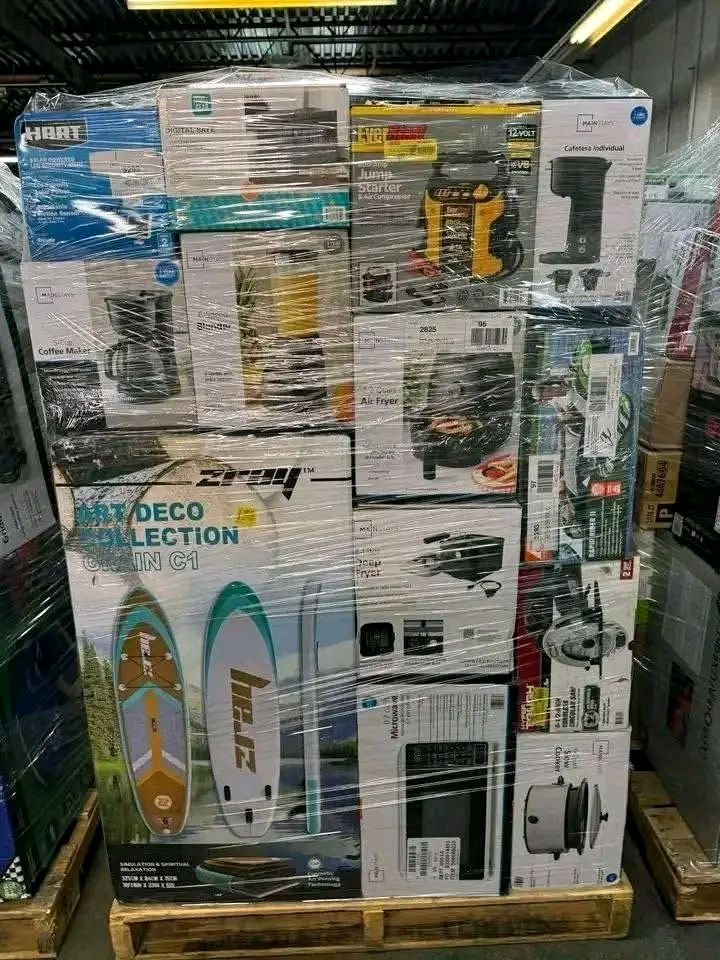
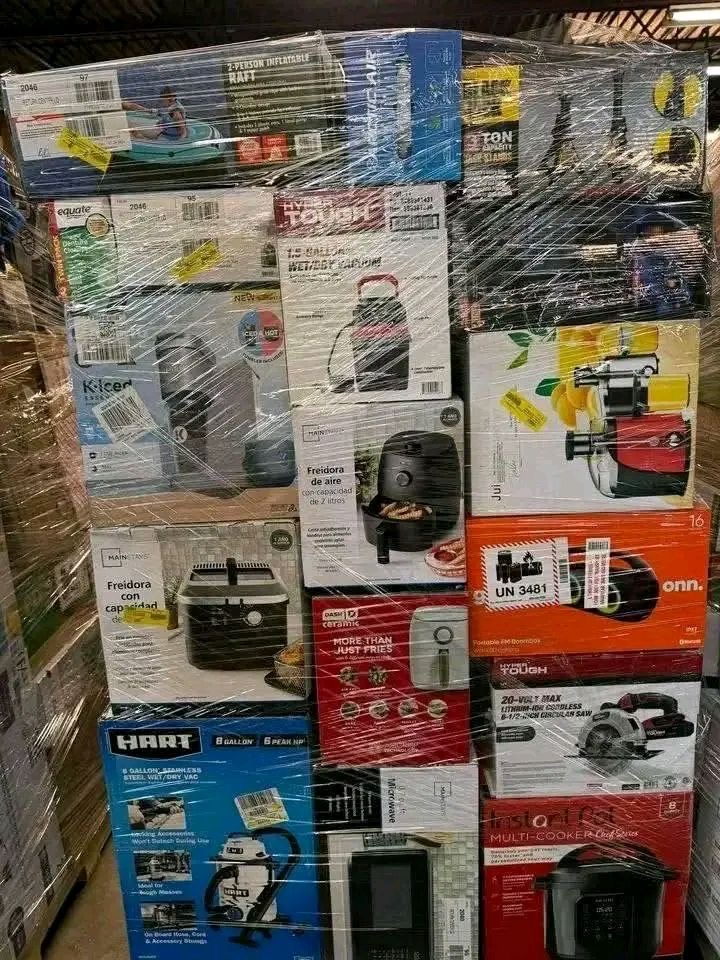
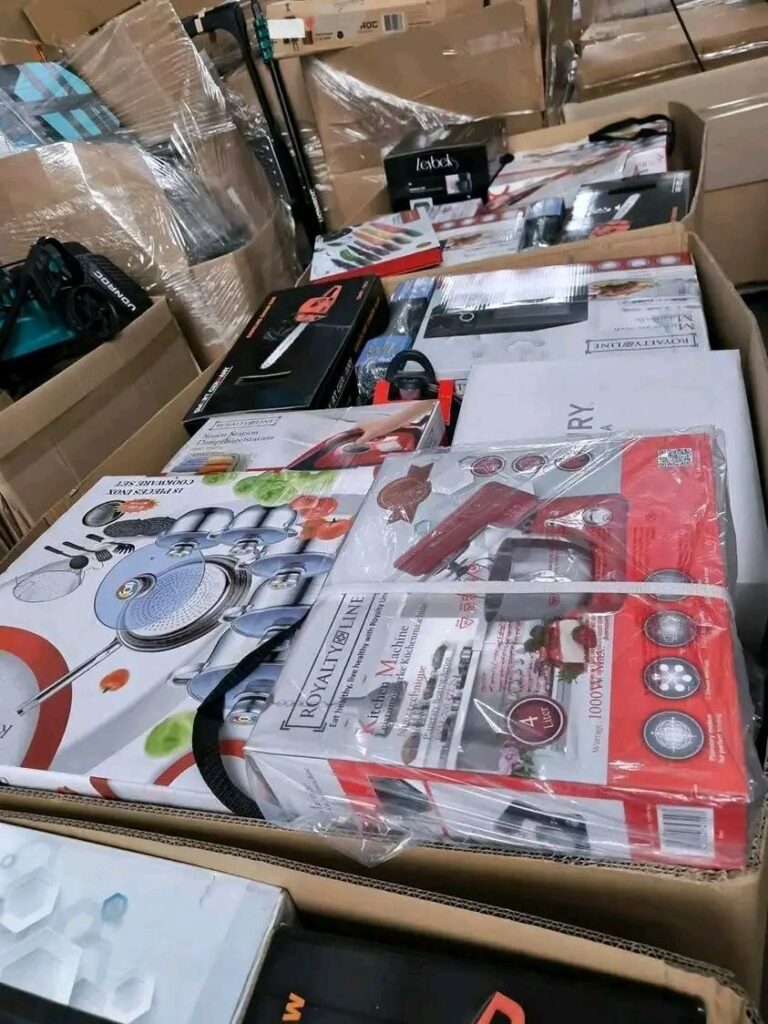
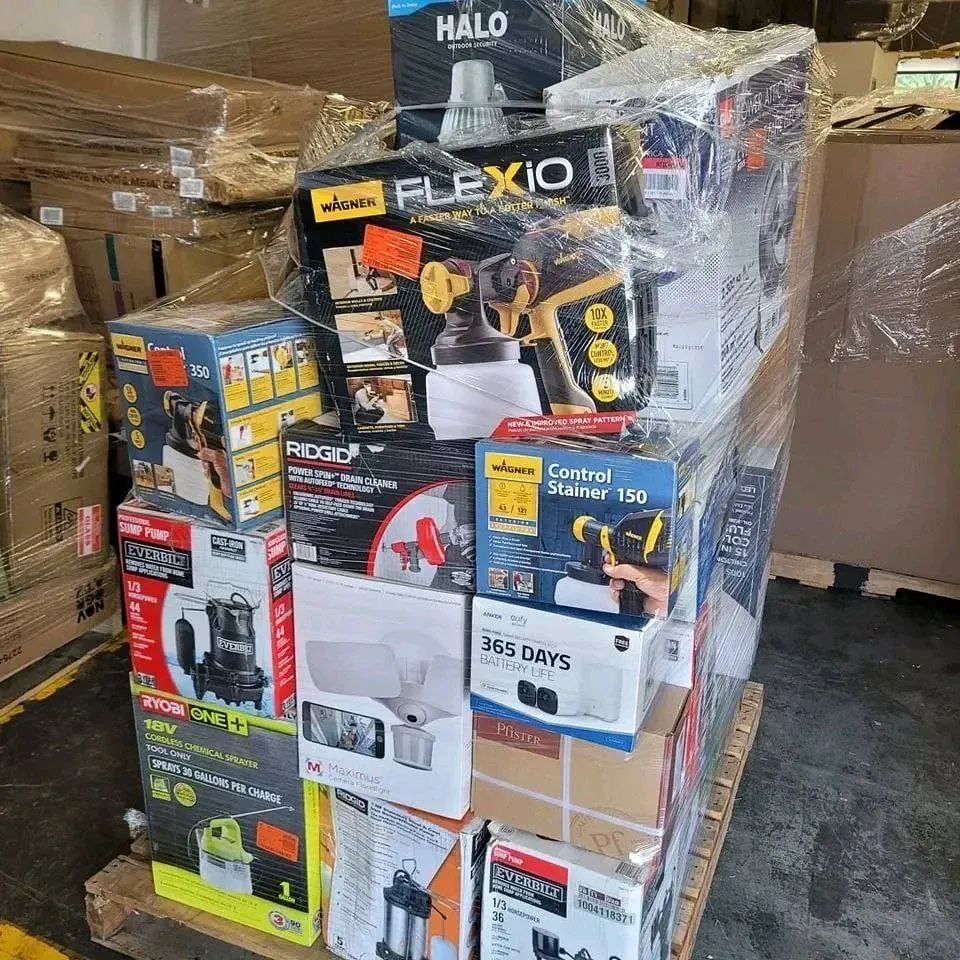
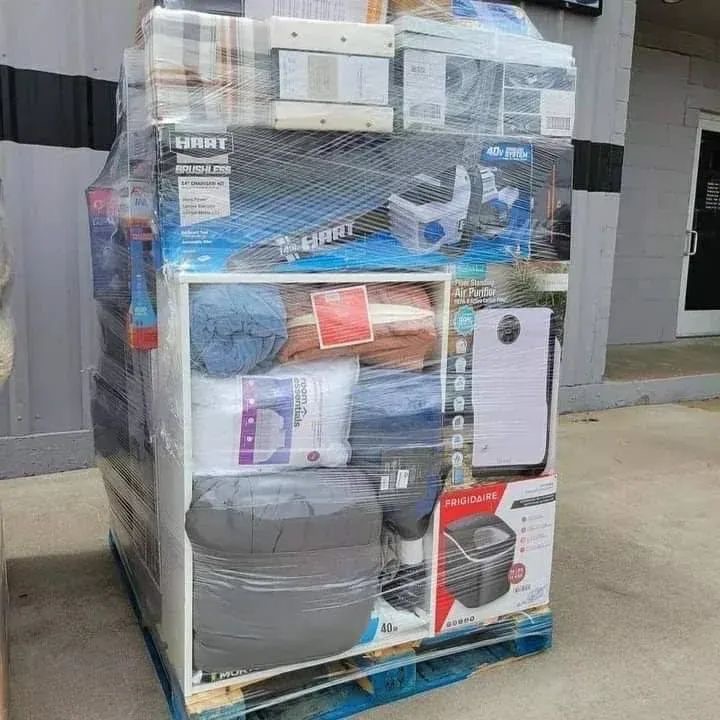
Learning how to start a pallet reselling business in 2026 has become one of the biggest opportunities for entrepreneurs, side hustlers, and online resellers worldwide. The liquidation industry continues growing rapidly as retailers generate millions of returned, overstocked, and excess products every year. This creates profitable opportunities for people who understand how to source liquidation inventory and resell products successfully.
Many entrepreneurs are entering the pallet resale business because startup costs are much lower compared to traditional retail businesses. Instead of opening expensive storefronts and purchasing inventory at full wholesale prices, resellers can buy liquidation pallets filled with discounted merchandise and resell the products individually for profit.
The rapid growth of eCommerce has also increased the amount of returned inventory available within the liquidation industry. Major retailers such as Amazon, Walmart, Target, Costco, and Home Depot process enormous quantities of customer returns daily. Much of this inventory eventually enters the liquidation market where resellers can purchase products at significantly reduced prices.
Another major reason pallet reselling continues growing is because consumers are actively searching for affordable products. Inflation, economic uncertainty, and rising retail costs have increased demand for discounted merchandise online and locally. Liquidation inventory allows shoppers to buy products at lower prices while giving resellers opportunities to generate strong profit margins.
Many successful resellers started with a single pallet stored inside a garage or spare room before eventually scaling into warehouses, truckloads, and large wholesale operations. The flexibility of the liquidation business allows entrepreneurs to start small and expand gradually over time.
For entrepreneurs looking to understand how liquidation inventory enters the wholesale market, you can Learn more about liquidation inventory marketplaces through B-Stock Solutions
One of the biggest advantages of pallet reselling is inventory variety. Sellers can choose from categories such as electronics, tools, furniture, home improvement items, beauty products, baby products, appliances, clothing, and mixed merchandise.
The rise of online marketplaces has also transformed the liquidation industry completely. Platforms such as eBay, Facebook Marketplace, Amazon, Mercari, Craigslist, OfferUp, and TikTok Shop make it easier than ever for resellers to reach customers directly without expensive storefronts.
Some entrepreneurs operate pallet reselling businesses entirely from home, while others eventually expand into warehouses, retail stores, flea market operations, or discount bin stores.
The key to long-term success within the liquidation business is understanding how inventory sourcing, pricing, product demand, customer service, and inventory management work together.
Below is a complete guide explaining how beginners can successfully start and grow a pallet reselling business in 2026.
1. How To Start a Pallet Reselling Business
Before purchasing inventory, it is important to understand how liquidation businesses operate.
Retailers constantly accumulate customer returns, shelf pulls, seasonal inventory, discontinued products, and overstock merchandise. Rather than storing these products indefinitely, companies liquidate inventory in bulk through wholesalers and liquidation suppliers.
Many suppliers also offer Shelf Pull Pallets and Overstock Inventory Pallets that contain unsold retail inventory in excellent condition.
Understanding inventory conditions is extremely important because not all pallets contain identical product quality. Some pallets contain mostly brand-new merchandise, while others may include used or damaged items.
Learning inventory grading systems, manifest terminology, shipping logistics, and supplier reputation can help reduce risk significantly.
2. Start Small and Learn Gradually
One of the biggest mistakes new resellers make is spending too much money too quickly.
Successful liquidation businesses are usually built gradually over time. Starting with one or two pallets allows beginners to understand how sourcing, shipping, pricing, storage, and reselling work before scaling into larger operations.
Many new sellers initially use garages, spare rooms, or small storage units for inventory organization.
This gradual learning process helps entrepreneurs avoid unnecessary financial pressure while gaining valuable experience within the market.
Patience and consistency are extremely important during the early stages of building a pallet resale business.
3. Choose the Right Inventory Categories
Selecting profitable inventory categories is one of the most important factors within pallet reselling.
Different inventory categories perform differently depending on consumer demand, seasonality, competition, and local market conditions.
Popular liquidation categories include:
- Electronics
- Tools
- Furniture
- Home improvement products
- Appliances
- Clothing
- Shoes
- Toys
- Kitchen appliances
- Beauty products
- Baby products
Many beginners start with General Merchandise Pallets because they provide a wide variety of products for learning the resale market.
Inventory like Tools Liquidation Pallets and Home Improvement Pallets often perform well because of year-round consumer demand.
Choosing categories you understand personally can also improve inventory selection decisions and selling confidence.
4. Learn How to Source Reliable Inventory
Finding trustworthy liquidation suppliers is critical for long-term business success.
Reliable suppliers provide transparent manifests, accurate inventory descriptions, fair pricing, and consistent inventory quality.
Poor suppliers can create major losses through inaccurate manifests, damaged products, hidden shipping costs, or poor customer support.
New resellers who want deeper insight into supplier sourcing can Explore how wholesale liquidation sourcing works through Direct Liquidation
When researching suppliers, buyers should evaluate:
- Customer reviews
- Shipping costs
- Return policies
- Manifest transparency
- Product conditions
- Inventory consistency
- Communication quality
Building strong supplier relationships often improves inventory quality and business stability over time.
5. Understand Shipping and Storage Costs
Shipping and storage expenses play a major role in pallet resale profitability.
Many beginners focus only on pallet pricing while ignoring freight costs, storage expenses, unloading logistics, and packaging supplies.
Before purchasing inventory, sellers should calculate:
- Freight shipping costs
- Warehouse rent
- Storage unit fees
- Packaging supplies
- Shipping labels
- Delivery expenses
- Labor costs
Efficient inventory organization becomes increasingly important as businesses scale.
Poor inventory management can lead to product damage, lost inventory, slower shipping times, and reduced profitability.
6. Learn How to Create Strong Product Listings
Professional product presentation is one of the biggest factors separating successful resellers from struggling sellers.
Customers are far more likely to purchase products that include clear photos, accurate descriptions, and transparent condition details.
Successful sellers usually:
- Test products
- Clean merchandise
- Repackage inventory
- Photograph products professionally
- Write detailed descriptions
- Respond quickly to buyers
Strong listings improve buyer confidence while increasing conversion rates and customer satisfaction.
7. Choose the Best Selling Platforms
Different selling platforms work better for different inventory types.
For example:
- eBay works well for electronics
- Facebook Marketplace works well for local inventory
- Amazon works well for branded products
- TikTok Shop works well for trending products
- Flea markets work well for mixed inventory
- Bin stores work well for liquidation merchandise
Understanding each platform’s strengths helps sellers maximize profitability.
If you want to better understand how modern resale businesses operate online, consider Understanding how online resale businesses operate through Entrepreneur Guide to Reselling
Some entrepreneurs eventually build independent eCommerce stores around their liquidation businesses for greater long-term control.
8. Focus on High-Demand Products
One of the smartest strategies in pallet reselling is focusing on inventory categories with consistent customer demand.
Examples of strong-performing categories include:
- Electronics
- Appliances
- Furniture
- Home improvement products
- Tools
- Kitchen products
- Beauty products
- Baby products
Many experienced resellers focus heavily on Wholesale Electronics Inventory because electronics can produce strong resale profits.
Understanding customer demand helps businesses improve inventory purchasing decisions while reducing unsold inventory.
9. Scale Your Business Gradually
Most successful pallet resale businesses grow steadily over time instead of overnight.
Once sellers develop profitable systems for sourcing, organizing, photographing, listing, shipping, and customer service, scaling becomes easier.
As operations expand, many sellers begin purchasing Mixed Merchandise Truckloads for larger inventory volume and stronger margins.
Truckloads help businesses reduce per-unit inventory costs while increasing product availability.
Some resellers eventually expand into warehouses, discount stores, bin stores, or wholesale distribution operations.
10. Stay Consistent and Patient
The liquidation industry rewards consistency, patience, and continuous improvement.
Many new resellers expect immediate success and become discouraged too quickly. In reality, most profitable businesses are built gradually through learning, testing, supplier relationships, and operational improvements.
The most successful sellers constantly improve:
- Inventory sourcing
- Product listings
- Shipping systems
- Customer service
- Inventory organization
- Market research
Consistency is often the biggest factor separating profitable liquidation businesses from failed ones.
Warehouse and Storage Tips
As businesses grow, inventory organization becomes increasingly important.
Larger resellers often expand into Furniture Liquidation Pallets and Appliance Liquidation Pallets once storage space increases.
Some useful warehouse tips include:
- Label inventory carefully
- Organize products by category
- Use shelving systems
- Track inventory digitally
- Separate damaged products
- Create shipping stations
- Maintain clean storage areas
Efficient organization helps businesses scale more successfully while improving workflow and reducing losses.
Why Apex Pallets Liquidators Is a Trusted Supplier
At Apex Pallets Liquidators, we help entrepreneurs and resellers source quality liquidation inventory at competitive wholesale prices.
Our inventory includes:
- Electronics pallets
- Home improvement inventory
- Overstock products
- Furniture liquidation pallets
- Appliance liquidation inventory
- Mixed merchandise truckloads
- Shelf pull inventory
- Customer return merchandise
We work with both beginner and experienced resellers looking to build profitable liquidation businesses.
Our goal is to provide affordable inventory sourcing opportunities that help resellers scale long-term operations successfully.
Final Thoughts
Learning how to start a pallet reselling business in 2026 can open the door to significant income opportunities for entrepreneurs willing to learn the liquidation industry properly.
With relatively low startup costs, flexible business models, strong product demand, and expanding eCommerce opportunities, liquidation inventory remains one of the most attractive resale business opportunities available today.
Success within pallet reselling requires patience, consistency, smart sourcing, strong organization, and excellent customer service. Sellers who continuously improve their operations and scale gradually often achieve the strongest long-term results.
As online shopping continues growing worldwide, returned and overstock inventory will likely continue increasing as well. This creates long-term opportunities for entrepreneurs ready to build profitable businesses around liquidation inventory and wholesale resale operations. Many beginners start with General Merchandise Pallets because they provide a wide variety of products for learning the resale market. Inventory like Tools Liquidation Pallets and Home Improvement Pallets often perform well because of year-round consumer demand. As operations expand, many sellers begin purchasing Mixed Merchandise Truckloads for larger inventory volume and stronger margins.