Lululemon Clothing Liquidation Pallets: A Complete Guide for Wholesale Buyers and Resellers
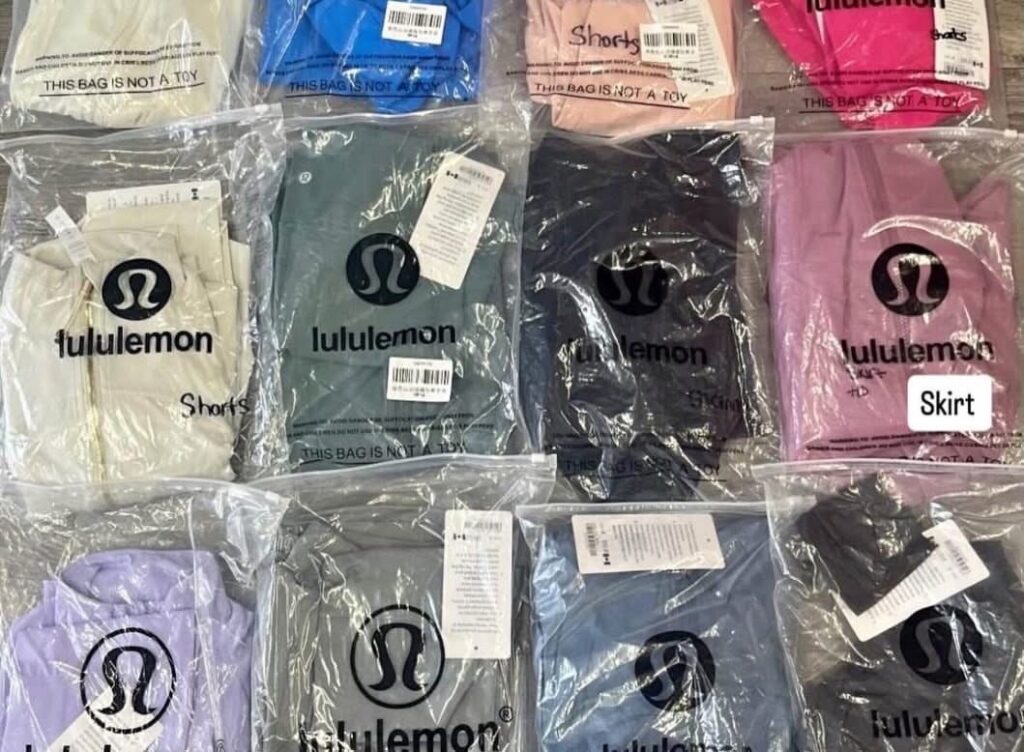
Lululemon clothing liquidation pallets have become one of the most sought-after categories in the liquidation industry. As the demand for premium activewear continues to rise, resellers, retail store owners, online sellers, and pallet buyers are constantly looking for opportunities to source authentic branded apparel at discounted wholesale prices. Buying Lululemon clothing liquidation pallets allows entrepreneurs to access high-demand athletic apparel while maintaining healthy profit margins.
Lululemon has built a strong reputation for producing high-quality activewear designed for yoga, fitness training, running, and everyday comfort. The brand has established a loyal customer base worldwide, making its products highly desirable in both retail and resale markets. Because of this popularity, liquidation pallets containing Lululemon merchandise often attract serious buyers seeking profitable inventory.
Whether you operate an e-commerce store, sell through social media platforms, own a physical retail location, or participate in local flea markets and pop-up events, Lululemon clothing liquidation pallets can provide access to inventory that customers actively search for throughout the year.
Understanding how these pallets work, where they originate, what types of products they contain, and how to maximize returns on your investment is essential before making a purchase.
What Are Lululemon Clothing Liquidation Pallets?
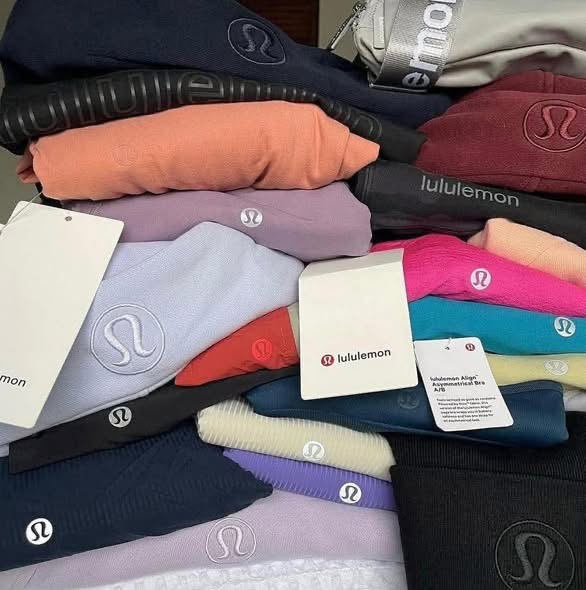
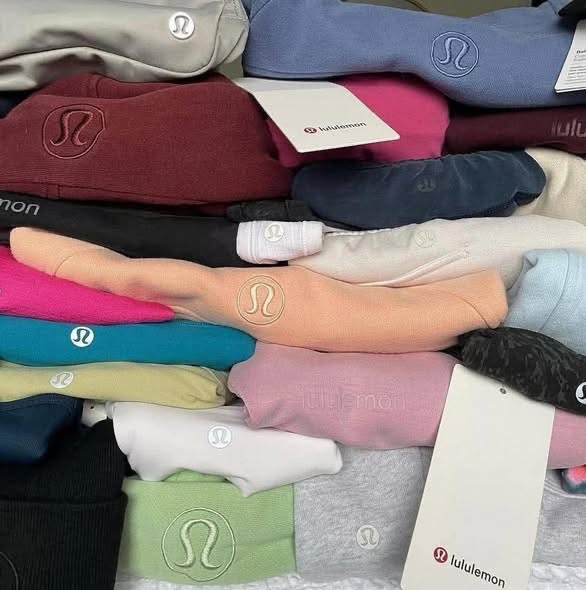
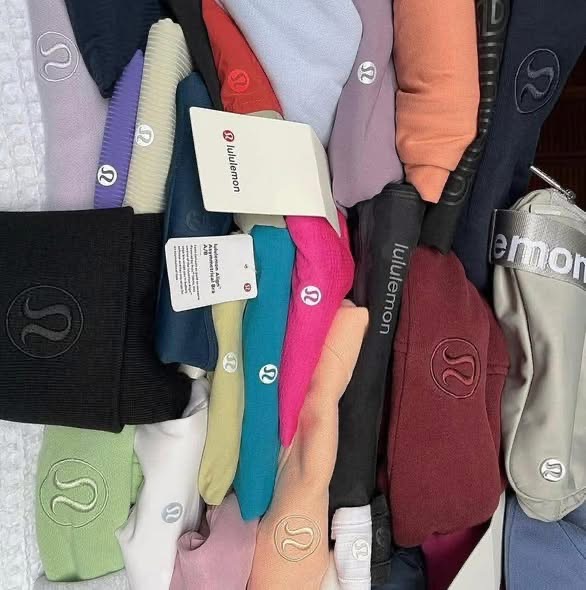
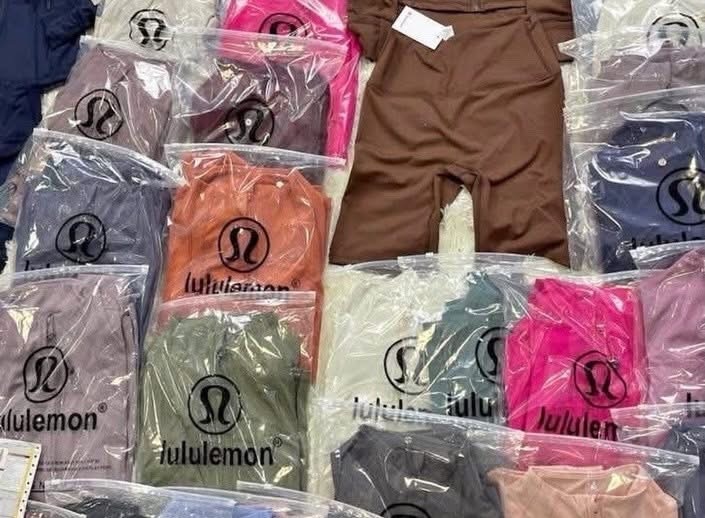
Lululemon clothing liquidation pallets are bulk wholesale lots containing apparel and accessories sourced from various retail and distribution channels. These pallets may include overstock inventory, shelf-pulls, customer returns, discontinued collections, seasonal merchandise, excess warehouse stock, and other surplus products.
Instead of selling these items individually through traditional retail channels, liquidation companies package the merchandise into pallets and truckloads for wholesale buyers. This allows businesses and resellers to purchase inventory at significantly reduced prices compared to standard retail rates.
A typical Lululemon clothing liquidation pallet may contain products such as:
- Leggings
- Yoga pants
- Sports bras
- Athletic shorts
- Hoodies
- Jackets
- Tank tops
- T-shirts
- Joggers
- Compression wear
- Performance tops
- Workout accessories
- Athletic outerwear
Depending on the source and pallet grade, buyers may receive merchandise in new, like-new, returned, or mixed conditions.
Why Lululemon Products Are So Popular
One reason Lululemon clothing liquidation pallets remain in high demand is the strength of the Lululemon brand itself. Customers recognize the company for producing premium-quality activewear designed with performance, comfort, and durability in mind.
Many consumers actively seek Lululemon products because of features such as:
- Moisture-wicking fabrics
- Four-way stretch materials
- Premium stitching
- Long-lasting durability
- Comfortable athletic fit
- Stylish designs
- Brand reputation
These qualities help maintain strong resale demand across multiple sales channels.
Unlike generic apparel brands that compete primarily on price, Lululemon products often retain value in secondary markets. Buyers searching for discounted branded activewear frequently purchase pre-owned, returned, or liquidation inventory, creating opportunities for wholesalers and resellers.
Who Should Buy Lululemon Clothing Liquidation Pallets?
Lululemon clothing liquidation pallets appeal to a wide range of buyers.
Online Resellers
Online sellers using platforms such as eBay, Facebook Marketplace, Poshmark, Mercari, and their own e-commerce stores often purchase liquidation pallets to source inventory at lower costs.
Since Lululemon products maintain strong consumer demand, many individual items can be listed separately for higher resale value.
Boutique Owners
Small clothing stores and fitness apparel boutiques can benefit from liquidation inventory by expanding product selection while keeping operating costs manageable.
Purchasing pallets allows retailers to offer premium branded merchandise without paying full wholesale pricing.
Flea Market Vendors
Local market sellers frequently purchase apparel pallets because clothing is easy to transport, display, and sell.
Branded activewear typically attracts attention from bargain hunters looking for quality products at affordable prices.
Social Media Sellers
Facebook groups, Instagram shops, TikTok stores, and WhatsApp business sellers often use liquidation inventory to create profitable side businesses.
The visual appeal and popularity of activewear make it particularly effective for social commerce.
Common Types of Merchandise Found in Lululemon Clothing Liquidation Pallets
Not all pallets contain identical inventory. The contents can vary significantly depending on the supplier, source, and condition category.
Overstock Inventory
Overstock merchandise consists of products that retailers were unable to sell within a specific timeframe.
These items are often among the most desirable because they are typically new and unused.
Shelf Pulls
Shelf-pull items are products removed from store shelves to make room for newer inventory.
Many shelf-pull products remain in excellent condition and may still have original tags attached.
Customer Returns
Customer-return pallets contain products that were returned for various reasons.
Some items may be in like-new condition, while others may require inspection, cleaning, or repackaging.
Mixed Apparel Loads
Mixed loads often combine various apparel categories within a single pallet.
This can create opportunities for diversified inventory and multiple customer segments.
Benefits of Buying Lululemon Clothing Liquidation Pallets
Many businesses choose liquidation inventory because it offers advantages that traditional wholesale purchasing cannot always provide.
Lower Acquisition Costs
One of the biggest advantages is cost savings.
Buying merchandise in bulk often allows buyers to acquire inventory at a fraction of original retail prices.
Lower acquisition costs create greater flexibility when pricing products for resale.
Higher Profit Margins
When inventory is purchased below market value, sellers can generate stronger profit margins.
This margin flexibility allows businesses to remain competitive while maintaining profitability.
Access to Premium Brands
Not every reseller has access to major branded merchandise through conventional wholesale channels.
Liquidation pallets provide opportunities to acquire premium products that might otherwise require large minimum orders or authorized dealer agreements.
Inventory Variety
Many pallets include multiple styles, sizes, and categories.
This variety can help attract different customer demographics and increase sales opportunities.
How to Evaluate a Lululemon Clothing Liquidation Pallet
Before purchasing any pallet, buyers should evaluate several factors carefully.
Condition Category
Always determine whether the inventory consists of:
- New products
- Shelf pulls
- Customer returns
- Mixed condition merchandise
Condition directly impacts resale value and expected profit margins.
Manifest Availability
Some pallets include manifests listing estimated contents.
While manifests are not always perfectly accurate, they provide useful insight into the inventory being purchased.
Source Reputation
Working with reputable liquidation suppliers helps reduce risks and improves the likelihood of receiving quality merchandise.
Research supplier reviews, customer feedback, and company history whenever possible.
Shipping Costs
Large pallets can be expensive to transport.
Always calculate shipping expenses before determining potential profitability.
Best Ways to Resell Lululemon Clothing Inventory
Once inventory arrives, sellers can choose from several profitable sales channels.
E-Commerce Websites
Operating your own website provides complete control over pricing, branding, and customer relationships.
Many successful resellers eventually build independent stores dedicated to liquidation merchandise.
Social Media Platforms
Social selling continues to grow rapidly.
Posting inventory through Facebook groups, Instagram pages, and TikTok content can generate consistent sales.
Local Events
Community markets, vendor events, and pop-up shops offer opportunities to move inventory quickly while building local customer relationships.
Consignment Partnerships
Some resellers partner with local boutiques and fitness studios to expand product reach.
Consignment arrangements may create additional revenue streams without requiring significant marketing investments.
Why Demand for Activewear Continues to Grow
The activewear industry has experienced tremendous growth over the past decade.
Consumers increasingly prioritize comfort, wellness, fitness, and versatile clothing that can transition between workouts and everyday activities.
This trend continues to support demand for premium athletic apparel brands.
As more consumers seek high-quality activewear at discounted prices, liquidation inventory remains an attractive sourcing option for wholesalers and resellers.
The combination of strong brand recognition, broad customer appeal, and consistent market demand makes Lululemon clothing liquidation pallets one of the most attractive inventory categories available today.
Building a Successful Resale Business with Lululemon Clothing Liquidation Pallets
Many successful resellers begin with a single pallet and gradually expand into full-time operations. One of the advantages of purchasing Lululemon clothing liquidation pallets is the ability to start at a manageable scale while learning the resale business. Unlike opening a traditional retail store that requires significant startup capital, pallet buying allows entrepreneurs to test demand and build experience without taking on excessive risk.
The key to long-term success is consistency. Buyers who regularly source quality inventory, accurately describe products, provide excellent customer service, and maintain competitive pricing often build repeat customer bases. As customers become familiar with your inventory quality, they are more likely to purchase from you again and recommend your business to others.
Many experienced pallet buyers eventually diversify into related inventory categories, creating multiple revenue streams and reducing dependence on a single product niche.
Understanding Seasonal Demand Patterns
Knowing when certain products sell best can dramatically improve profitability.
For example, leggings, sports bras, joggers, and workout apparel often experience strong demand throughout the year. However, specific categories may perform better during certain seasons.
Spring often brings increased interest in fitness-related apparel as consumers focus on outdoor activities and personal wellness goals.
Summer can generate demand for lightweight workout clothing, tank tops, shorts, and athletic accessories.
Fall typically sees increased purchases of hoodies, long-sleeve performance apparel, and layering pieces.
Winter often creates demand for jackets, thermal activewear, and cold-weather fitness clothing.
Understanding these seasonal trends allows buyers to time purchases strategically and maximize sales opportunities.
Sorting and Organizing Inventory
After receiving a liquidation pallet, organization becomes critical.
Many successful resellers immediately sort inventory into categories such as:
- Leggings
- Sports bras
- Jackets
- Hoodies
- Shorts
- Tops
- Accessories
- Men’s apparel
- Women’s apparel
This process helps streamline listing creation, inventory management, and order fulfillment.
Proper organization also makes it easier to identify high-value items and create bundled offers for customers.
Photographing Products for Maximum Sales
High-quality product photography can significantly increase conversion rates.
When selling Lululemon clothing liquidation inventory online, clear images help buyers evaluate condition, color, style, and features.
Best practices include:
- Using natural lighting whenever possible
- Photographing items from multiple angles
- Showing labels and tags
- Highlighting unique features
- Displaying any imperfections honestly
- Maintaining clean backgrounds
Professional-looking photos often result in higher selling prices and faster inventory turnover.
Pricing Strategies for Liquidation Inventory
Pricing can make or break a resale business.
Many beginners either price products too high or too low.
A balanced pricing strategy should consider:
- Acquisition cost
- Shipping expenses
- Marketplace fees
- Product condition
- Brand demand
- Competitor pricing
Lululemon products generally command stronger resale values than many generic apparel brands because of their reputation and customer loyalty.
Some sellers prefer rapid inventory turnover with lower margins, while others focus on maximizing profit per item. Both approaches can be effective depending on business goals.
Common Mistakes New Pallet Buyers Should Avoid
Many new buyers enter the liquidation industry expecting immediate profits without understanding the learning curve involved.
One common mistake is purchasing inventory without researching market demand.
Another frequent error is ignoring shipping costs. A pallet may appear profitable until transportation expenses are added to the equation.
Some buyers also fail to inspect inventory carefully, leading to inaccurate product listings and dissatisfied customers.
Additional mistakes include:
- Overpaying for inventory
- Ignoring condition reports
- Failing to test products when applicable
- Poor inventory organization
- Inconsistent pricing
- Weak customer service
Avoiding these mistakes can significantly improve overall profitability.
Expanding Beyond a Single Product Category
Once a reseller gains experience with apparel pallets, expanding into complementary inventory categories often becomes a natural progression.
For example, buyers interested in Lululemon clothing liquidation pallets may also consider related inventory such as athletic footwear, fashion accessories, handbags, fitness equipment, and general apparel.
Diversification helps stabilize revenue and attract a broader customer base.
Many successful liquidation businesses carry multiple product categories simultaneously to increase average order values and encourage repeat purchases.
Why Branded Apparel Performs Well in Secondary Markets
Brand recognition plays a major role in resale success.
Consumers often feel more confident purchasing recognized brands because they already understand product quality, sizing, and performance expectations.
Lululemon has established itself as one of the most recognizable names in the activewear industry. This recognition creates demand even within secondary markets such as liquidation, resale, and discounted retail channels.
As a result, many buyers specifically search for branded inventory rather than generic alternatives.
Inventory Turnover and Cash Flow Management
One of the most important concepts in resale is inventory turnover.
Inventory that sits unsold for long periods ties up capital and reduces overall business efficiency.
Successful resellers focus on maintaining healthy turnover rates by:
- Monitoring demand trends
- Adjusting prices strategically
- Creating promotional offers
- Bundling products
- Expanding marketing efforts
Strong inventory turnover improves cash flow and allows businesses to reinvest in new inventory more frequently.
The Future of the Activewear Resale Industry
The resale market continues to grow as consumers seek affordable alternatives to full retail pricing.
At the same time, sustainability concerns encourage many shoppers to purchase surplus, overstock, and secondary-market products rather than newly manufactured goods.
These trends are expected to continue supporting demand for liquidation inventory across multiple categories.
Premium activewear brands remain especially attractive because consumers value performance, durability, and comfort.
As a result, Lululemon clothing liquidation pallets are likely to remain a highly sought-after inventory source for wholesalers and resellers in the years ahead.
Frequently Asked Questions
Are Lululemon clothing liquidation pallets profitable?
Yes. Profitability depends on purchase price, inventory condition, shipping costs, and resale strategy. Many resellers achieve strong margins because of the brand’s popularity and consistent demand.
What condition are liquidation pallets usually in?
Pallets may contain new, shelf-pull, returned, overstock, or mixed-condition merchandise. Buyers should always review pallet descriptions before purchasing.
Can beginners buy liquidation pallets?
Absolutely. Many successful resellers start with a single pallet and gradually expand their businesses as they gain experience.
Where can Lululemon clothing liquidation pallets be sold?
Common sales channels include e-commerce websites, social media marketplaces, local retail stores, flea markets, consignment shops, and online resale platforms.
How many items are typically included in a pallet?
The quantity varies depending on pallet size, product type, and supplier. Some pallets contain hundreds of pieces of apparel.
Conclusion
Lululemon clothing liquidation pallets offer a unique opportunity for entrepreneurs, retailers, and resellers to access premium activewear inventory at wholesale prices. With strong consumer demand, excellent brand recognition, and diverse resale opportunities, these pallets can become a valuable addition to a growing inventory portfolio.
Success ultimately depends on purchasing quality inventory, understanding market demand, managing costs effectively, and maintaining a consistent sales strategy. Buyers who approach the liquidation industry with realistic expectations and a long-term mindset often discover significant opportunities for growth and profitability. Buyers looking to diversify beyond activewear can explore premium branded inventory through our Kids Clothing Pallets collection. Fashion-focused resellers often combine activewear with inventory from our Women’s Activewear Pallets for broader customer appeal. Many apparel resellers also source inventory from our Mixed Hoodies Pallets category to increase seasonal product variety. Footwear inventory can complement apparel sales, making our UGG Shoes Pallets a popular choice among resellers. Businesses seeking premium branded apparel may also benefit from our SKIMS Clothing Pallets inventory.
Learn more about the evolution of premium activewear through Lululemon’s official company resources, Lululemon Official Brand Information. Retail industry trends can help buyers understand apparel demand and consumer spending patterns, National Retail Federation Apparel Market Research. Resellers can monitor apparel industry developments through industry news and analysis resources, Apparel Industry News and Market Insights. Entrepreneurs interested in fashion resale can explore market statistics and consumer behavior reports, Statista Apparel Industry Statistics. Understanding e-commerce growth trends can help liquidation buyers improve online sales strategies, Shopify Ecommerce Industry Reports. Small business owners can access educational resources related to inventory management and retail growth, U.S. Small Business Administration Retail Resources.