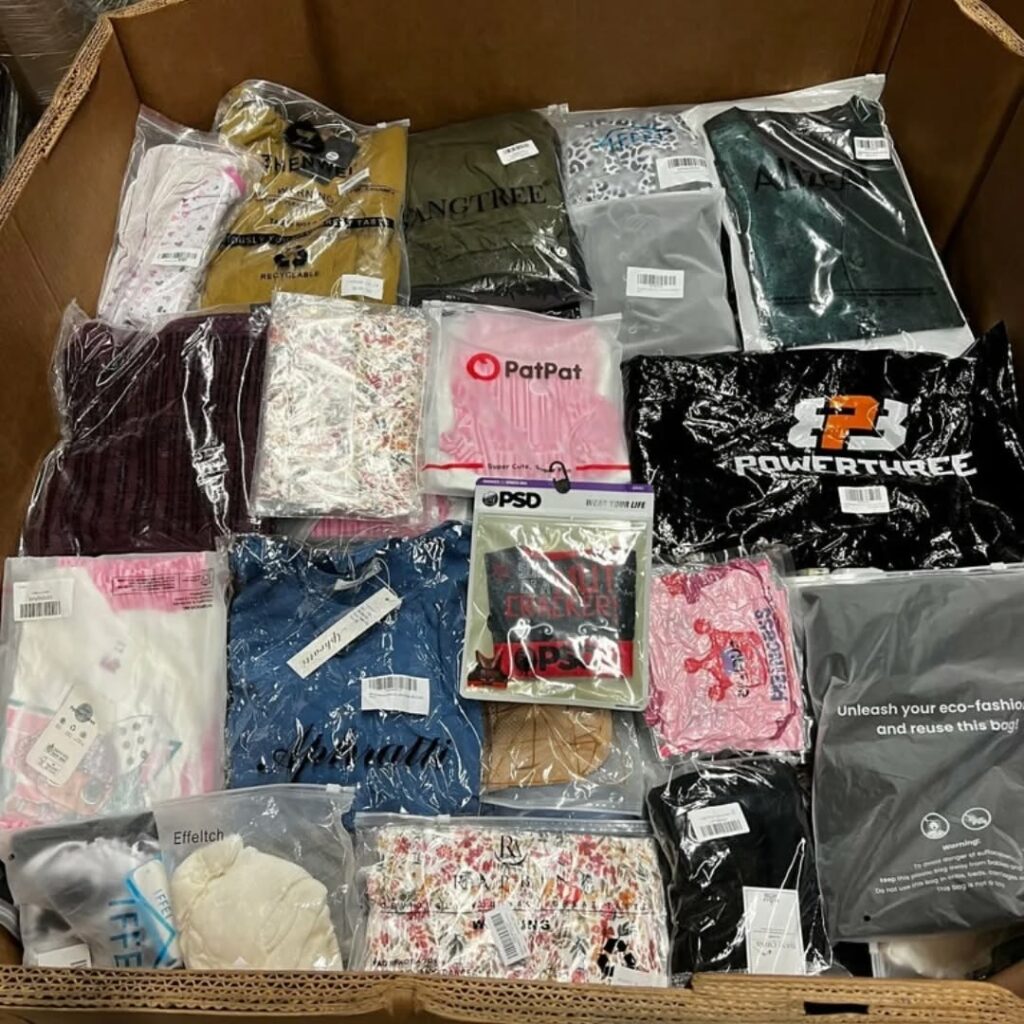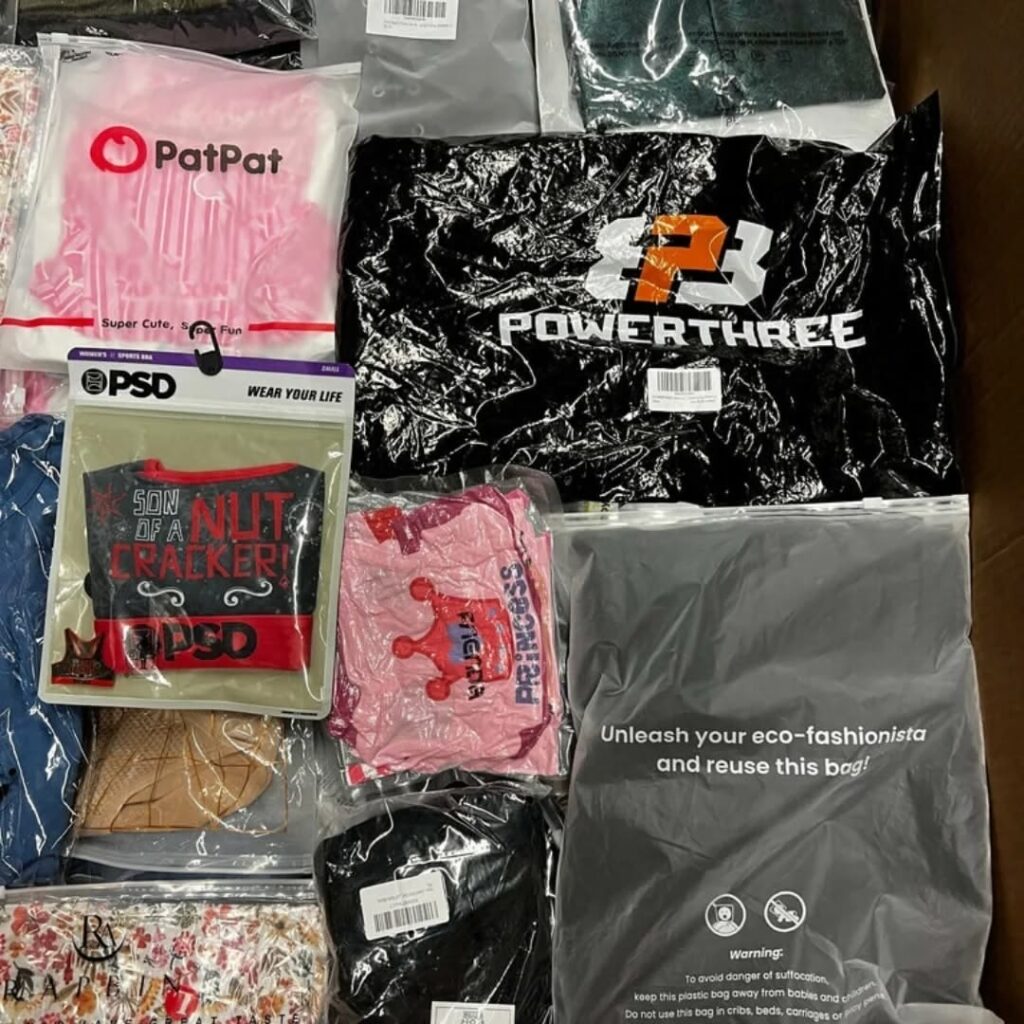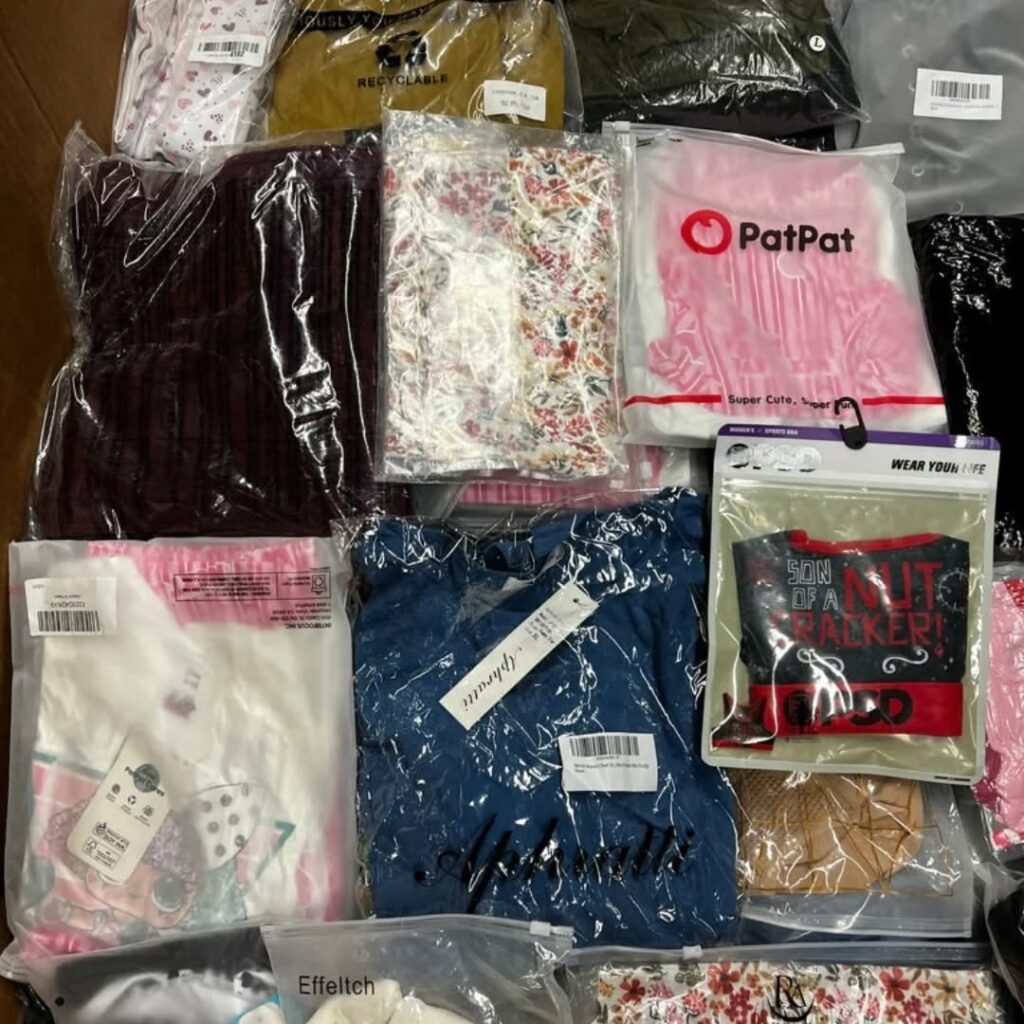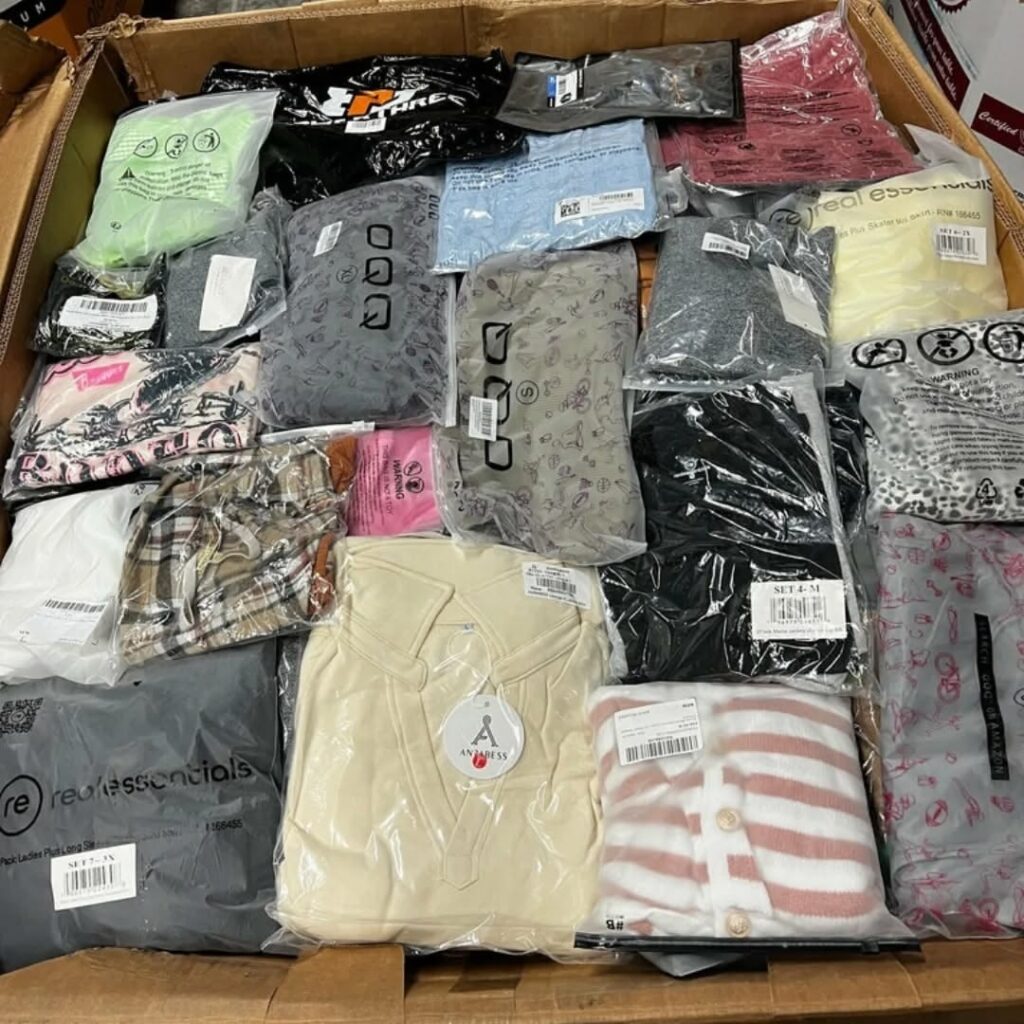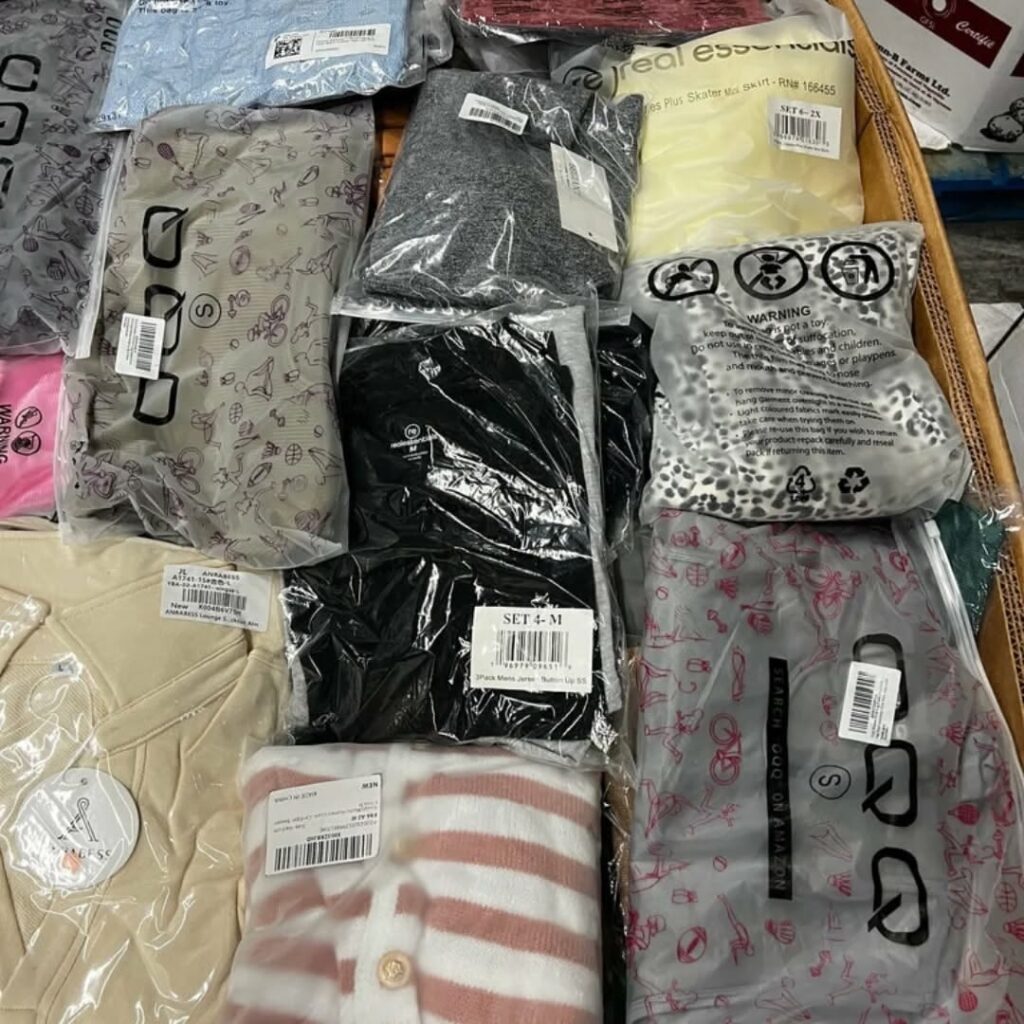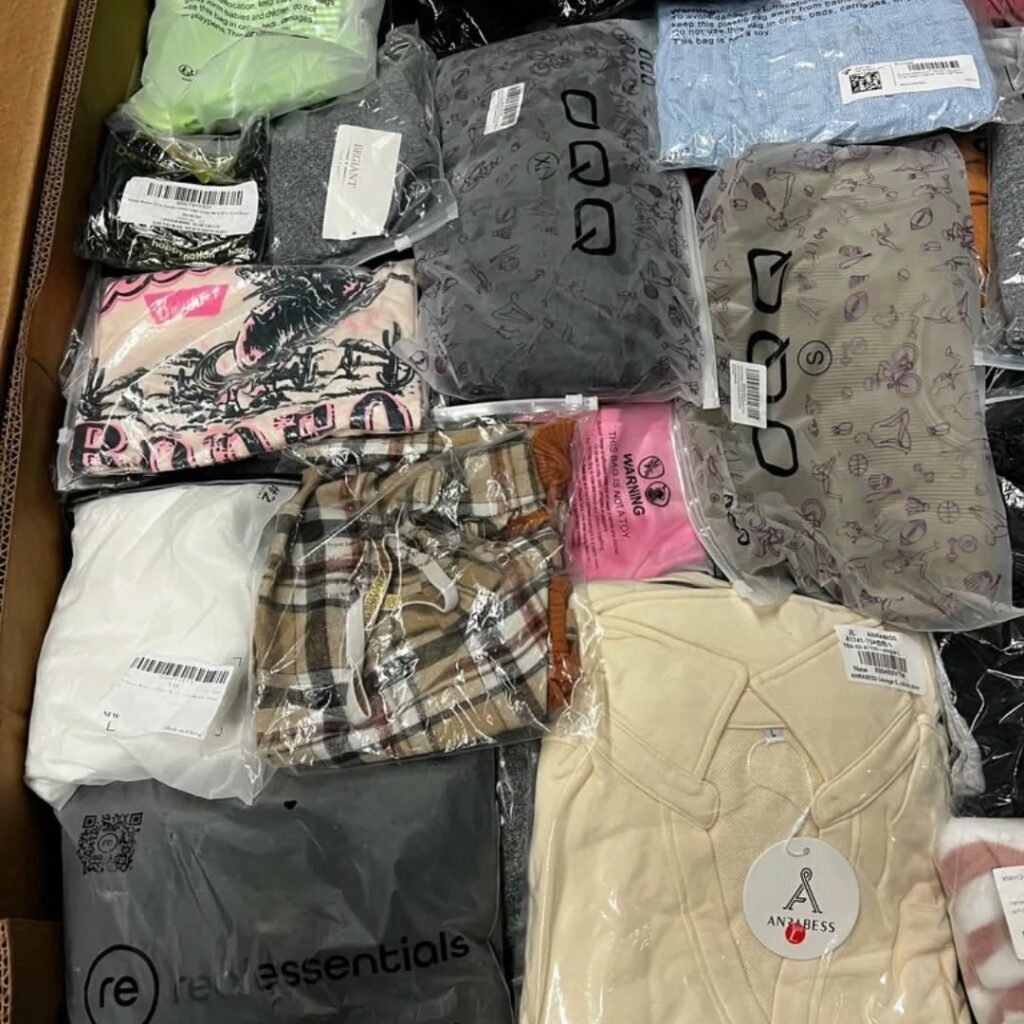
Mixed Clothing Liquidation Pallets: The Complete Guide for Apparel Resellers and Wholesale Buyers
Mixed clothing liquidation pallets have become one of the most profitable inventory categories in the liquidation industry. Clothing remains an essential consumer product, creating year-round demand across multiple demographics and market segments. For retailers, boutique owners, online sellers, flea market vendors, warehouse outlets, and wholesale buyers, mixed clothing liquidation pallets offer access to large quantities of inventory at significantly discounted prices.
As consumers continue seeking affordable fashion options, liquidation inventory provides opportunities for businesses to source merchandise below traditional wholesale costs. Mixed clothing liquidation pallets typically contain a wide assortment of apparel, making them attractive for resellers who want inventory diversity and multiple sales opportunities.
Whether you operate an eCommerce store, retail boutique, discount clothing outlet, social media shop, or wholesale distribution business, mixed clothing liquidation pallets can provide access to inventory that customers actively purchase throughout the year.
What Are Mixed Clothing Liquidation Pallets?
Mixed clothing liquidation pallets are wholesale inventory loads containing assorted apparel sourced from liquidation channels, retailer overstock, shelf pulls, customer returns, warehouse clearances, discontinued inventory, and excess stock.
Unlike single-category pallets, mixed clothing liquidation pallets generally include products from multiple apparel segments.
Common inventory may include:
- Men’s clothing
- Women’s clothing
- Children’s clothing
- Athletic wear
- Hoodies
- Jackets
- Shirts
- Jeans
- Shorts
- Dresses
- Activewear
- Sleepwear
- Seasonal apparel
- Fashion accessories
The diversity of products allows resellers to serve a broad customer base while reducing inventory risk.
Why Mixed Clothing Liquidation Pallets Are So Popular
Several factors contribute to the popularity of mixed clothing liquidation pallets.
Constant Consumer Demand
Unlike many retail products, clothing is a necessity rather than a luxury.
Consumers continuously purchase apparel because of:
- Seasonal changes
- Fashion trends
- Lifestyle needs
- Work requirements
- Family growth
Inventory Diversity
Mixed pallets provide inventory across multiple categories, helping businesses appeal to various customer demographics.
Strong Profit Potential
Liquidation pricing often allows buyers to acquire inventory significantly below retail value.
Multiple Sales Channels
Clothing can be sold through numerous online and offline platforms.
Who Should Buy Mixed Clothing Liquidation Pallets?
Mixed clothing liquidation pallets appeal to a wide variety of buyers.
Online Resellers
Platforms such as Shopify, Facebook Marketplace, eBay, Poshmark, Mercari, and Amazon provide strong opportunities for apparel sales.
Boutique Owners
Fashion retailers often use liquidation inventory to expand product selection while maintaining competitive pricing.
Flea Market Vendors
Clothing remains one of the most commonly purchased categories at local markets.
Warehouse Outlet Operators
Large inventory quantities make mixed clothing pallets ideal for warehouse-style sales environments.
Export Businesses
Many international buyers seek affordable apparel inventory.
Common Sources of Clothing Liquidation Inventory
Understanding inventory sources helps buyers make informed purchasing decisions.
Retail Overstock
Retailers frequently purchase more inventory than they ultimately sell.
Excess merchandise often enters liquidation channels.
Shelf Pulls
Shelf-pull inventory consists of products removed from retail displays.
Many shelf-pull items remain in excellent condition.
Customer Returns
Returned apparel may include products that were tried on but never worn.
Seasonal Inventory Rotations
Fashion retailers regularly replace inventory to accommodate changing seasons.
Discontinued Collections
Older collections often enter liquidation channels when new styles are introduced.
Types of Clothing Commonly Found in Mixed Clothing Liquidation Pallets
Inventory contents vary significantly.
Men’s Apparel
Common categories include:
- T-shirts
- Polo shirts
- Jeans
- Hoodies
- Jackets
- Workwear
Women’s Apparel
Women’s categories often include:
- Dresses
- Leggings
- Activewear
- Tops
- Outerwear
Children’s Clothing
Children’s apparel remains highly popular because children frequently outgrow clothing.
Athletic Wear
Fitness and activewear categories continue experiencing strong demand.
Seasonal Apparel
Many pallets contain inventory suitable for specific seasons.
Benefits of Buying Mixed Clothing Liquidation Pallets
Several advantages make apparel liquidation attractive.
Lower Acquisition Costs
Liquidation pricing often creates opportunities for substantial savings.
Broad Customer Appeal
Clothing serves nearly every demographic.
Flexible Sales Options
Products can be sold individually, bundled, or wholesale.
Scalability
Businesses can gradually increase inventory volume as demand grows.
How to Evaluate Mixed Clothing Liquidation Pallets
Before purchasing inventory, buyers should carefully evaluate several factors.
Product Condition
Determine whether inventory consists of:
- New products
- Overstock inventory
- Shelf pulls
- Customer returns
- Mixed-condition merchandise
Brand Recognition
Branded apparel often commands stronger resale values.
Inventory Mix
Understanding category distribution helps estimate profitability.
Shipping Expenses
Freight costs should always be included in investment calculations.
Why Clothing Remains One of the Strongest Retail Categories
Clothing continues generating consistent demand because it fulfills essential consumer needs.
Regardless of economic conditions, consumers continue purchasing apparel for:
- Work
- School
- Sports
- Travel
- Special occasions
- Everyday wear
This creates ongoing opportunities for liquidation buyers and wholesale resellers.
Mixed clothing liquidation pallets provide access to a broad inventory selection while supporting long-term business growth and profitability.
Building a Profitable Apparel Business with Mixed Clothing Liquidation Pallets
Many successful apparel businesses begin with a single pallet before expanding into larger wholesale operations. Mixed clothing liquidation pallets offer an excellent opportunity because clothing remains one of the most frequently purchased product categories worldwide.
Unlike many consumer products that become obsolete quickly, apparel maintains relevance year-round. Consumers continuously replace worn clothing, follow fashion trends, purchase seasonal apparel, and shop for special occasions.
This ongoing demand creates opportunities for resellers to generate consistent sales and build repeat customer bases.
Understanding Consumer Demand for Clothing
One reason mixed clothing liquidation pallets remain highly profitable is the universal need for apparel.
Consumers purchase clothing for:
- Everyday wear
- Work attire
- School uniforms
- Fitness activities
- Travel
- Seasonal weather changes
- Special events
- Fashion trends
Because clothing serves both practical and lifestyle purposes, demand remains strong throughout the year.
Seasonal Demand Opportunities
Different seasons create opportunities for various apparel categories.
Spring
Consumers often purchase:
- Lightweight jackets
- Casual wear
- Activewear
- Fashion tops
Summer
Popular categories include:
- Shorts
- T-shirts
- Swimwear
- Sandals
Fall
Demand often shifts toward:
- Hoodies
- Sweatshirts
- Light outerwear
Winter
Heavy jackets, thermal clothing, and winter accessories become highly desirable.
This seasonal cycle helps create ongoing inventory turnover opportunities.
Organizing Mixed Clothing Inventory
Proper organization improves operational efficiency and profitability.
Upon receiving inventory, products should be sorted by:
- Gender
- Size
- Style
- Season
- Brand
- Condition
Well-organized inventory simplifies:
- Product listings
- Pricing
- Order fulfillment
- Inventory tracking
Businesses that maintain organized inventory systems often experience higher productivity and fewer fulfillment errors.
Creating Clothing Bundles for Increased Sales
Bundling is a highly effective strategy for apparel resellers.
Instead of selling every item individually, businesses can create themed packages.
Men’s Apparel Bundles
Examples include:
- Casual wear packages
- Workwear bundles
- Athletic clothing sets
Women’s Fashion Bundles
Popular options include:
- Activewear collections
- Seasonal fashion sets
- Lounge wear packages
Children’s Clothing Bundles
Parents often prefer purchasing multiple items together because it saves time and money.
Bundles frequently increase average order values while helping move inventory faster.
Pricing Strategies for Mixed Clothing Inventory
Pricing plays a major role in profitability.
Before establishing prices, businesses should evaluate:
- Acquisition cost
- Brand recognition
- Product condition
- Market demand
- Shipping expenses
- Sales channel fees
Some resellers prioritize quick inventory turnover through competitive pricing.
Others focus on premium brands and higher-margin sales.
Both approaches can be successful depending on business goals.
Why Branded Apparel Performs Well
Brand recognition often influences purchasing decisions.
Many consumers actively search for well-known brands because they associate them with:
- Quality
- Style
- Durability
- Status
- Comfort
When mixed clothing liquidation pallets contain branded merchandise, resellers may achieve stronger margins and faster sales.
Common Mistakes New Clothing Resellers Make
Many beginners enter the apparel liquidation market without proper preparation.
Common mistakes include:
Ignoring Size Distribution
A balanced size assortment generally attracts a wider customer base.
Poor Product Photography
Low-quality images often reduce customer confidence.
Weak Product Descriptions
Detailed listings improve conversion rates and reduce returns.
Inadequate Inventory Tracking
Poor inventory management can create fulfillment problems.
Underestimating Shipping Costs
Shipping expenses should always be included in profitability calculations.
Avoiding these mistakes can significantly improve business performance.
The Importance of Product Photography
Clothing is highly visual.
Professional images can dramatically improve sales performance.
Best practices include:
- Clean backgrounds
- Consistent lighting
- Multiple angles
- Detailed product photos
- Close-up fabric images
- Accurate color representation
High-quality photographs help customers make informed purchasing decisions.
Best Platforms for Selling Mixed Clothing Inventory
Clothing performs well across multiple sales channels.
E-Commerce Stores
Independent websites provide complete control over branding and pricing.
Marketplace Platforms
Popular platforms include:
- eBay
- Poshmark
- Mercari
- Facebook Marketplace
- Amazon
Social Commerce
Many apparel businesses generate sales through:
- Facebook Shops
- Instagram Shops
- TikTok Shop
Local Retail Sales
Physical stores and pop-up shops remain effective sales channels.
Expanding Beyond Clothing
Many apparel resellers eventually diversify inventory.
Popular additions include:
- Footwear
- Handbags
- Beauty products
- Accessories
- Home goods
- Electronics
Diversification helps reduce risk while creating additional revenue opportunities.
Inventory Turnover and Cash Flow Management
Inventory turnover is critical for long-term success.
Fast-moving inventory improves:
- Cash flow
- Purchasing power
- Operational efficiency
Successful resellers regularly analyze:
- Best-selling categories
- Customer preferences
- Seasonal demand
- Inventory age
These insights help guide future purchasing decisions.
International Opportunities for Apparel Resellers
Global demand for affordable clothing remains strong.
Many export businesses purchase mixed clothing liquidation pallets because apparel is relatively easy to transport and distribute.
International buyers often seek:
- Branded clothing
- Children’s apparel
- Activewear
- Seasonal merchandise
Export opportunities can create additional revenue streams for wholesalers.
Why Mixed Clothing Liquidation Pallets Remain a Long-Term Opportunity
Several factors support the long-term strength of apparel liquidation.
These include:
- Continuous consumer demand
- Seasonal purchasing cycles
- Fashion trends
- Population growth
- E-commerce expansion
As consumers continue purchasing clothing, liquidation inventory will remain a valuable opportunity for wholesalers and resellers.
Frequently Asked Questions
Are mixed clothing liquidation pallets profitable?
Yes. Profitability depends on acquisition costs, inventory quality, brand mix, shipping expenses, and sales strategy. Many resellers achieve strong margins because clothing remains a high-demand category.
Can beginners buy mixed clothing liquidation pallets?
Absolutely. Apparel is often considered one of the most beginner-friendly liquidation categories due to broad consumer familiarity.
What products are commonly included?
Inventory may contain men’s clothing, women’s clothing, children’s apparel, activewear, outerwear, seasonal merchandise, and fashion accessories.
Where can mixed clothing inventory be sold?
Popular sales channels include Shopify stores, Facebook Marketplace, Poshmark, Mercari, eBay, Amazon, retail boutiques, and flea markets.
Why does clothing perform well in liquidation markets?
Clothing is a necessity product with year-round demand, making it one of the most stable retail categories.
Conclusion
Mixed clothing liquidation pallets offer one of the strongest opportunities within the liquidation industry. The combination of consistent consumer demand, broad customer appeal, multiple sales channels, and strong profit potential makes apparel an attractive category for wholesalers and resellers.
Whether you operate an online boutique, retail store, warehouse outlet, or wholesale distribution business, mixed clothing liquidation pallets provide access to inventory that customers actively seek throughout the year.
Businesses that focus on inventory quality, organization, pricing strategy, and customer service often achieve sustainable growth and long-term success. Fashion retailers looking to expand athletic inventory can explore our Gym Shark Clothing Liquidation Pallets collection. Boutique owners seeking premium activewear opportunities often source inventory from our Lululemon Clothing Liquidation Pallets category. Fashion resellers targeting footwear buyers frequently add products from our Ladies Mixed Shoes Liquidation Pallets inventory. Retailers serving sneaker enthusiasts can expand product selection through our Jordan Shoes Liquidation Pallets collection. Children’s apparel sellers often complement inventory with our Kids Clothing Liquidation Pallets offerings. Fashion businesses serving women’s markets frequently browse our Branded Ladies Handbags Pallets inventory.
Stay informed about apparel industry trends and retail fashion developments through professional fashion business resources, Fashion retail industry insights. Explore global apparel market statistics and clothing industry research, Global apparel market research. Learn about textile manufacturing, apparel sourcing, and fashion supply chain developments, Textile and apparel industry news. Follow retail fashion trends and consumer purchasing behavior within the apparel industry, Fashion consumer trend analysis. Access insights regarding sustainability and innovation within the global fashion market, Fashion sustainability resources. Explore apparel market forecasts and clothing industry growth reports, Apparel industry market forecasts.