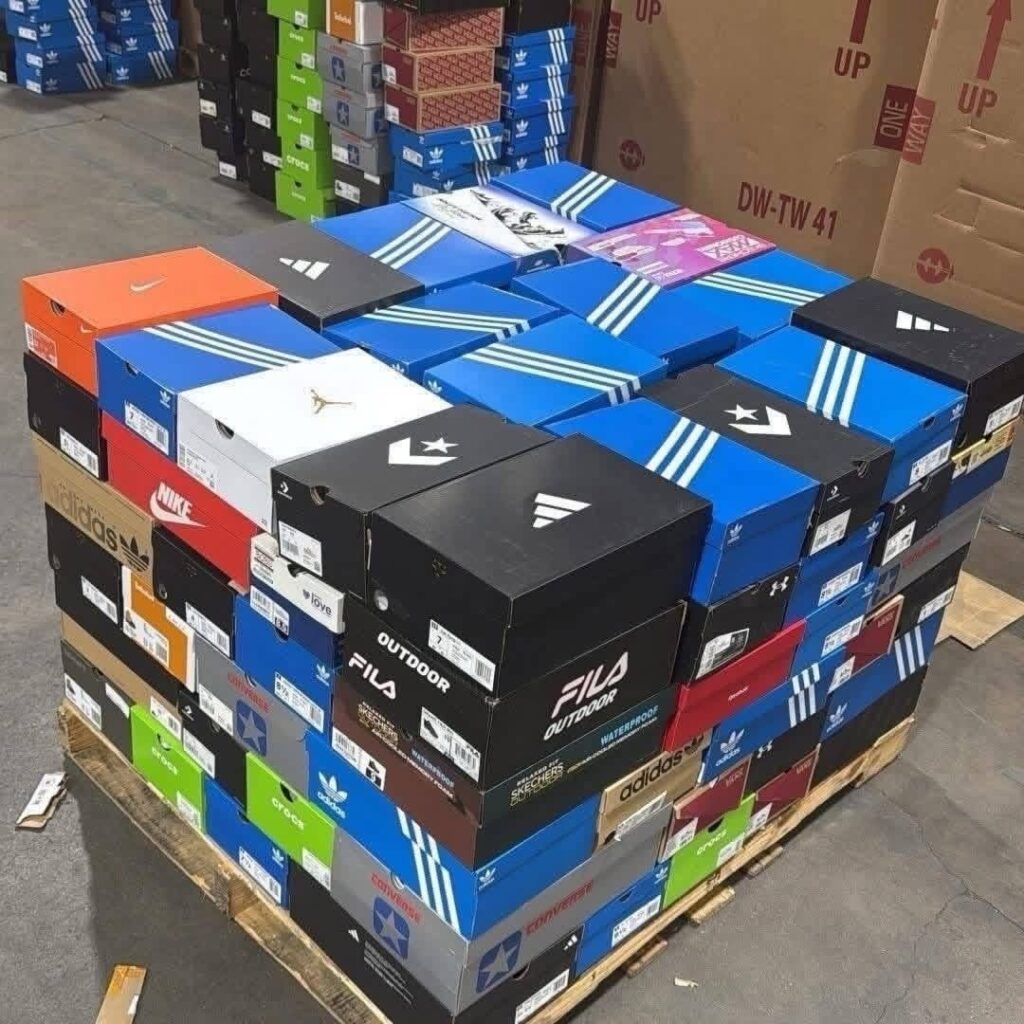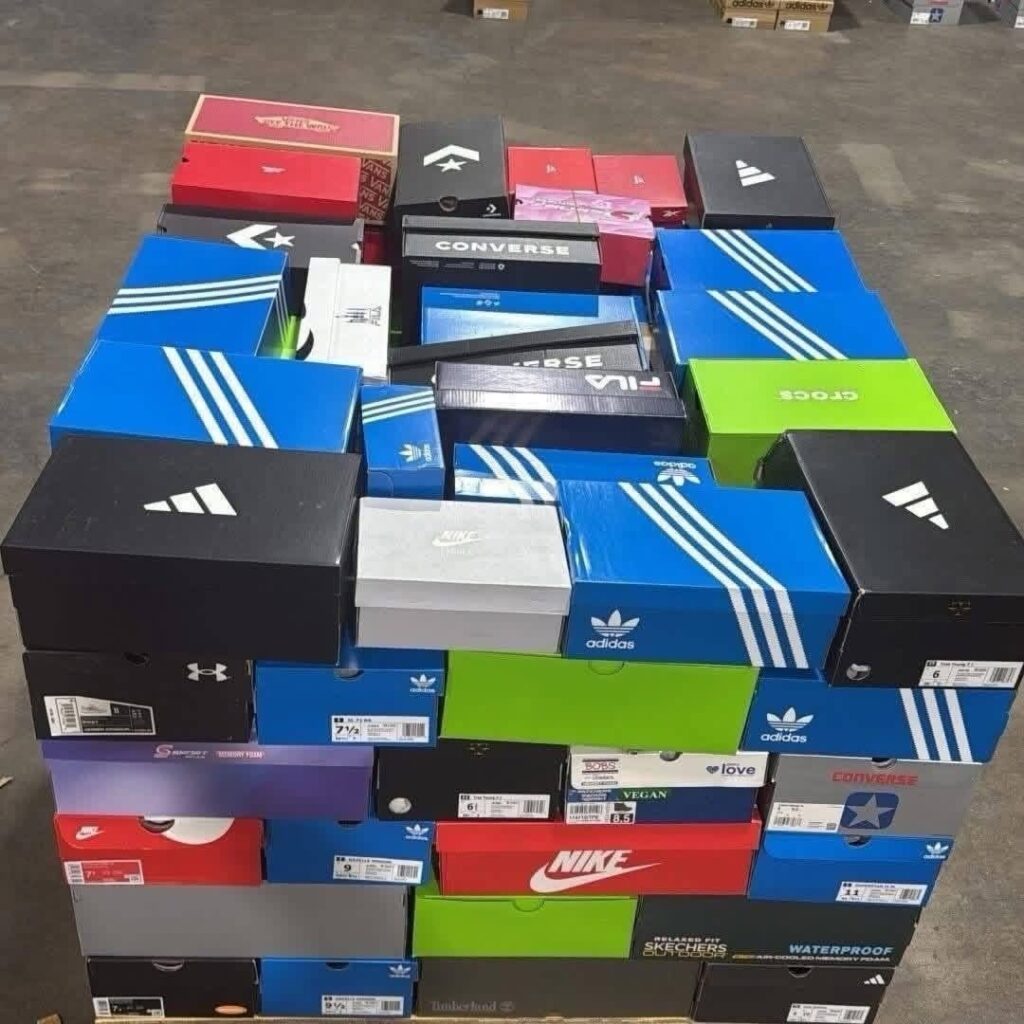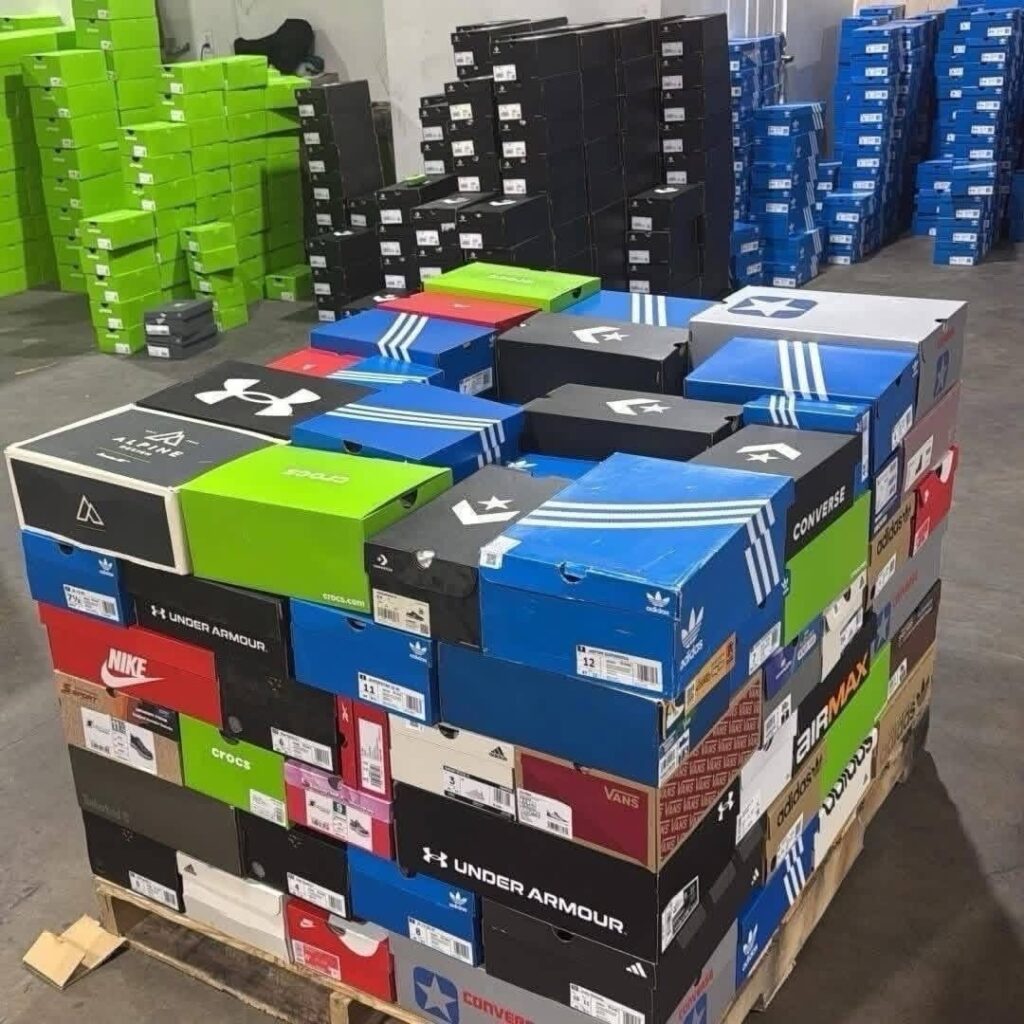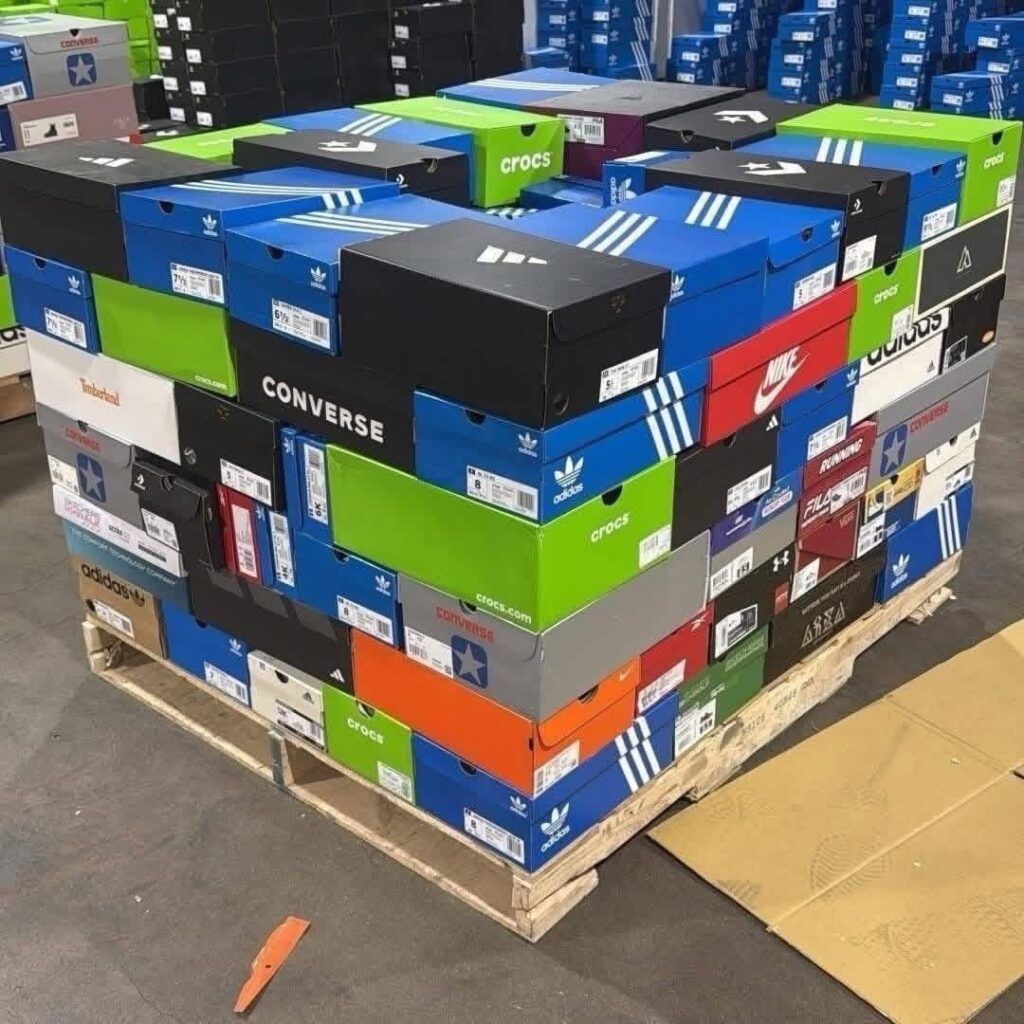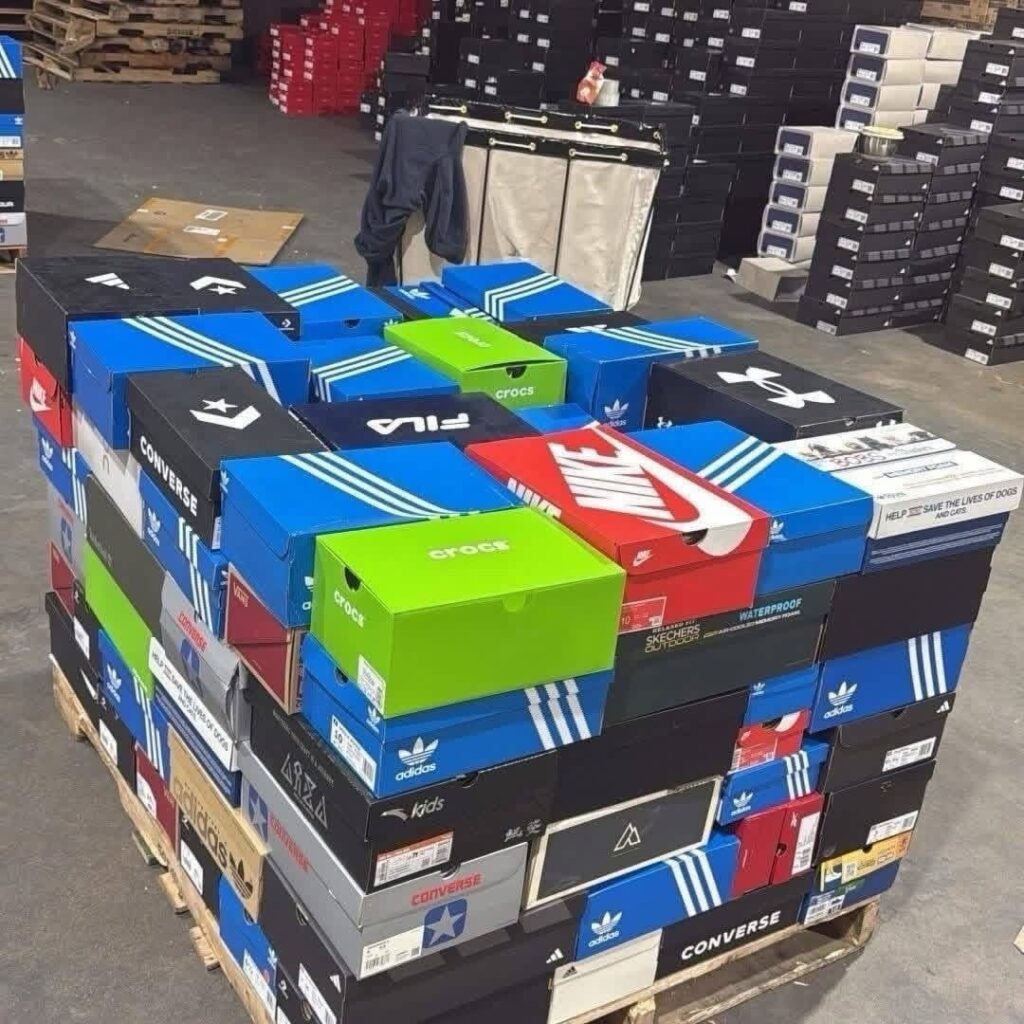
Mixed sneaker shoes liquidation pallets have become one of the fastest-growing categories within the footwear liquidation industry. Sneakers are no longer viewed solely as athletic footwear. Today, they represent a combination of fashion, comfort, performance, and lifestyle, making them one of the most purchased footwear categories worldwide.
For wholesalers, footwear retailers, online resellers, warehouse outlets, sneaker boutiques, flea market vendors, and liquidation buyers, mixed sneaker shoes liquidation pallets provide access to highly desirable inventory at significantly discounted prices. These pallets often contain a variety of brands, styles, colors, and sizes that appeal to multiple customer demographics.
As sneaker culture continues expanding globally, consumers actively seek affordable options from trusted brands. This creates opportunities for resellers to source inventory at lower acquisition costs while maintaining attractive profit margins.
Whether you operate an eCommerce footwear store, retail shoe shop, social commerce business, warehouse outlet, or wholesale distribution company, mixed sneaker shoes liquidation pallets provide access to inventory that customers actively purchase throughout the year.
What Are Mixed Sneaker Shoes Liquidation Pallets?
Mixed sneaker shoes liquidation pallets are wholesale inventory loads containing assorted sneaker footwear sourced from retailer overstock, shelf pulls, customer returns, warehouse clearances, excess inventory, discontinued models, and liquidation channels.
Unlike brand-specific footwear pallets, mixed sneaker shoes liquidation pallets often contain multiple brands and product categories within the same load.
Common inventory may include:
- Running sneakers
- Walking shoes
- Basketball sneakers
- Lifestyle sneakers
- Athletic footwear
- Cross-training shoes
- Fashion sneakers
- Casual sneakers
- Youth sneakers
- Men’s sneakers
- Women’s sneakers
- Branded athletic footwear
- Seasonal sneaker inventory
- Limited-edition footwear
This inventory diversity allows resellers to serve multiple customer groups while reducing inventory concentration risk.
Why Mixed Sneaker Shoes Liquidation Pallets Are So Popular
Several factors contribute to the popularity of mixed sneaker shoes liquidation pallets.
Strong Consumer Demand
Sneakers remain one of the most frequently purchased footwear categories worldwide.
Consumers purchase sneakers for:
- Sports
- Fitness
- School
- Work
- Travel
- Everyday wear
- Fashion
Broad Market Appeal
Sneakers appeal to:
- Children
- Teenagers
- Adults
- Athletes
- Professionals
- Fashion enthusiasts
Strong Resale Potential
Branded footwear frequently maintains excellent resale demand.
Inventory Diversity
Mixed pallets provide access to multiple styles and customer segments.
Who Should Buy Mixed Sneaker Shoes Liquidation Pallets?
Mixed sneaker shoes liquidation pallets appeal to numerous business models.
Sneaker Boutiques
Retail footwear stores frequently use liquidation inventory to increase product variety.
Online Resellers
Platforms such as Shopify, eBay, Facebook Marketplace, Mercari, and Poshmark provide strong opportunities for sneaker sales.
Warehouse Outlet Operators
Large quantities of footwear make sneaker pallets suitable for outlet environments.
Flea Market Vendors
Sneakers remain one of the strongest-performing categories at local markets.
Export Businesses
Global demand for affordable branded footwear continues growing.
Common Sources of Sneaker Liquidation Inventory
Understanding inventory sources helps buyers make informed purchasing decisions.
Overstock Inventory
Retailers frequently purchase more inventory than ultimately sells.
Excess products often enter liquidation channels.
Shelf Pull Merchandise
Products removed from retail displays may enter liquidation markets.
Customer Returns
Returned footwear often remains suitable for resale.
Seasonal Inventory Rotations
Retailers regularly replace inventory as new collections arrive.
Discontinued Models
Older sneaker styles frequently enter liquidation channels when newer releases become available.
Types of Products Commonly Found in Mixed Sneaker Shoes Liquidation Pallets
Inventory composition varies significantly.
Athletic Sneakers
Performance footwear remains highly desirable among active consumers.
Running Shoes
Running footwear continues generating strong demand.
Lifestyle Sneakers
Casual sneaker styles appeal to fashion-conscious consumers.
Basketball Shoes
Basketball sneakers remain popular among athletes and collectors.
Youth Footwear
Children’s sneaker categories continue generating strong sales.
Benefits of Buying Mixed Sneaker Shoes Liquidation Pallets
Several advantages make sneaker liquidation inventory attractive.
Lower Acquisition Costs
Liquidation pricing often creates significant savings opportunities.
Strong Consumer Recognition
Branded sneakers attract broad customer interest.
Flexible Sales Opportunities
Products can be sold individually, bundled, or wholesaled.
Business Scalability
Companies can gradually increase purchasing volume as demand grows.
How to Evaluate Mixed Sneaker Shoes Liquidation Pallets
Before purchasing inventory, buyers should evaluate several important factors.
Product Condition
Inventory may consist of:
- New products
- Overstock merchandise
- Shelf pulls
- Customer returns
- Mixed-condition inventory
Size Distribution
Balanced size assortments improve overall sales performance.
Brand Mix
Well-known brands often generate stronger demand.
Shipping Costs
Freight expenses should always be included in profitability calculations.
Why Sneakers Continue Dominating Footwear Markets
Sneakers remain one of the strongest categories within the footwear industry because they combine comfort, functionality, and fashion appeal.
Consumers often purchase multiple pairs for different activities, creating repeat sales opportunities for wholesalers and resellers.
This ongoing demand makes mixed sneaker shoes liquidation pallets one of the most attractive categories within the footwear liquidation industry.
Building a Profitable Business with Mixed Sneaker Shoes Liquidation Pallets
Many successful footwear businesses begin with a single pallet before expanding into larger wholesale operations. Mixed sneaker shoes liquidation pallets provide an excellent opportunity because sneakers remain one of the most in-demand footwear categories worldwide.
Unlike highly seasonal products, sneakers maintain year-round popularity. Consumers purchase them for sports, fitness, casual wear, work environments, travel, fashion, and everyday comfort. This broad demand creates long-term opportunities for resellers seeking sustainable growth.
For entrepreneurs entering the liquidation industry, mixed sneaker shoes liquidation pallets offer inventory flexibility, broad market appeal, and strong profit potential.
Understanding Consumer Demand for Sneakers
Sneakers continue generating strong sales because they combine practicality and style.
Consumers purchase sneakers for:
- Running
- Walking
- Gym workouts
- Sports participation
- School
- Daily wear
- Travel
- Fashion
Because sneakers serve multiple purposes, they appeal to nearly every demographic.
Athletic Consumer Demand
Athletes regularly purchase footwear designed for:
- Running
- Basketball
- Cross-training
- Fitness activities
Lifestyle Consumer Demand
Many consumers purchase sneakers primarily for casual fashion purposes.
Student Market Demand
Students remain among the largest footwear-buying groups.
Fashion and Streetwear Demand
Sneaker culture continues expanding globally, creating demand beyond athletic use.
This diverse customer base supports consistent inventory turnover.
Organizing Mixed Sneaker Inventory
Proper inventory organization improves operational efficiency and profitability.
After receiving inventory, products should be organized according to:
Size
Separate inventory into:
- Men’s sizes
- Women’s sizes
- Youth sizes
Brand
Organizing products by brand simplifies pricing and inventory management.
Product Category
Examples include:
- Running shoes
- Basketball shoes
- Casual sneakers
- Training shoes
Condition
Categorizing inventory by condition improves pricing consistency.
Well-organized inventory systems help reduce fulfillment errors and improve customer satisfaction.
Creating Sneaker Bundles for Increased Revenue
Bundling can significantly improve average order values.
Examples include:
Athletic Footwear Packages
Combining:
- Sneakers
- Athletic socks
- Sports accessories
Family Footwear Bundles
Families frequently purchase multiple pairs simultaneously.
Back-to-School Packages
Students often require footwear before new school terms begin.
Wholesale Reseller Lots
Smaller resellers often purchase grouped sneaker inventory for redistribution.
Bundles help move inventory efficiently while increasing profitability.
Pricing Strategies for Mixed Sneaker Inventory
Pricing should reflect multiple factors.
Product Condition
New inventory generally commands higher resale values.
Brand Recognition
Recognized brands often generate stronger demand.
Size Availability
Popular sizes typically sell faster than uncommon sizes.
Market Trends
Fashion and athletic trends can significantly influence pricing.
Shipping Costs
Freight and fulfillment expenses should always be incorporated into pricing strategies.
A balanced pricing strategy helps maximize both profit margins and inventory turnover.
Why Branded Sneakers Perform Well
Consumers frequently prefer recognized footwear brands because they associate them with:
- Quality
- Comfort
- Durability
- Performance
- Fashion appeal
Branded sneaker inventory often generates:
- Faster sales
- Higher margins
- Stronger customer confidence
These factors make branded footwear particularly attractive within liquidation markets.
Common Mistakes New Sneaker Resellers Make
Many beginners make avoidable mistakes when entering the footwear liquidation industry.
Ignoring Size Distribution
Poor size variety can limit sales opportunities.
Weak Product Photography
Customers rely heavily on images when purchasing footwear online.
Poor Product Descriptions
Detailed listings improve customer confidence.
Inadequate Inventory Tracking
Disorganized inventory frequently creates operational challenges.
Underestimating Shipping Costs
Shipping expenses should always be included when calculating profitability.
Avoiding these mistakes can significantly improve business performance.
The Importance of Product Photography
Sneakers are highly visual products.
Professional photography can dramatically improve conversion rates.
Best practices include:
- Multiple viewing angles
- Sole photographs
- Branding details
- Packaging photos
- Lifestyle images
High-quality photographs help customers make informed purchasing decisions.
Best Sales Channels for Mixed Sneaker Inventory
Sneakers perform exceptionally well across multiple sales channels.
E-Commerce Websites
Independent websites provide complete control over branding and pricing.
Online Marketplaces
Popular platforms include:
- eBay
- Mercari
- Poshmark
- Facebook Marketplace
Social Commerce
Many footwear businesses generate sales through:
- Facebook Shops
- Instagram Shops
- TikTok Shop
Retail Stores
Physical shoe stores continue generating strong footwear sales.
A diversified sales strategy often delivers the strongest long-term results.
Expanding Beyond Sneakers
Many sneaker resellers eventually diversify inventory categories.
Popular additions include:
- Athletic apparel
- Casual clothing
- Accessories
- Backpacks
- Performance wear
Diversification creates additional revenue streams while reducing business risk.
Inventory Turnover and Cash Flow Management
Inventory turnover remains one of the most important business metrics.
Fast-moving inventory improves:
- Cash flow
- Purchasing flexibility
- Operational efficiency
- Profitability
Successful resellers regularly monitor:
- Best-selling brands
- Customer preferences
- Seasonal demand
- Inventory age
These insights help optimize future purchasing decisions.
International Opportunities for Sneaker Resellers
Global demand for affordable footwear continues growing.
Many wholesalers purchase mixed sneaker shoes liquidation pallets for export purposes.
International buyers often seek:
- Athletic footwear
- Casual sneakers
- Running shoes
- Lifestyle footwear
Export opportunities can significantly expand business growth potential.
Why Mixed Sneaker Shoes Liquidation Pallets Remain a Long-Term Opportunity
Several factors support the long-term strength of this category.
These include:
- Growing sneaker culture
- Strong consumer demand
- E-commerce growth
- Fitness participation
- Fashion trends
As consumers continue purchasing sneakers for both performance and lifestyle purposes, mixed sneaker shoes liquidation pallets will remain a highly valuable inventory category.
Frequently Asked Questions
Are mixed sneaker shoes liquidation pallets profitable?
Yes. Profitability depends on acquisition costs, inventory quality, size assortment, shipping expenses, and sales strategy. Many resellers achieve strong margins because sneakers remain one of the most popular footwear categories.
Can beginners buy mixed sneaker shoes liquidation pallets?
Absolutely. Sneakers are often considered one of the easiest liquidation categories for new resellers because products are easy to understand and market.
What products are commonly included?
Inventory may contain running shoes, basketball sneakers, training footwear, casual sneakers, youth footwear, and branded athletic shoes.
Where can mixed sneaker inventory be sold?
Popular channels include Shopify stores, eBay, Facebook Marketplace, Mercari, Poshmark, retail footwear stores, warehouse outlets, and flea markets.
Why do sneakers perform well in liquidation markets?
Sneakers combine comfort, functionality, and fashion appeal, creating broad consumer demand across multiple demographics.
Conclusion
Mixed sneaker shoes liquidation pallets offer one of the strongest opportunities within the footwear liquidation industry. The combination of broad consumer demand, inventory diversity, strong resale values, and year-round relevance creates significant profit opportunities for wholesalers and resellers.
Whether you operate an online footwear store, sneaker boutique, warehouse outlet, or wholesale distribution company, mixed sneaker shoes liquidation pallets provide access to inventory that customers actively seek throughout the year.
Businesses that focus on inventory quality, organization, customer service, and effective pricing strategies often achieve sustainable growth and long-term profitability. Retailers specializing in branded athletic footwear frequently expand inventory through our Mixed Nike Shoes Liquidation Pallets collection. Sneaker resellers looking for premium running footwear often source products from our Hoka Shoes Liquidation Pallets category. Athletic footwear businesses frequently complement sneaker inventory with our Jordan Shoes Liquidation Pallets offerings. Fashion footwear retailers often increase product variety through our Ladies Mixed Shoes Liquidation Pallets collection. Comfort-focused footwear businesses frequently diversify inventory through our Cloud Nova Shoes Liquidation Pallets category.
Learn more about the global sneaker market and evolving consumer footwear preferences, Global sneaker market insights. Stay informed about sneaker resale trends and athletic footwear industry developments, Sneaker resale market news. Explore research covering sports footwear growth and athletic apparel demand worldwide, Sports footwear market research. Review consumer footwear purchasing trends and fashion retail market developments Footwear consumer purchasing trends. Access insights related to global footwear manufacturing and retail performance, Global footwear retail industry insights.