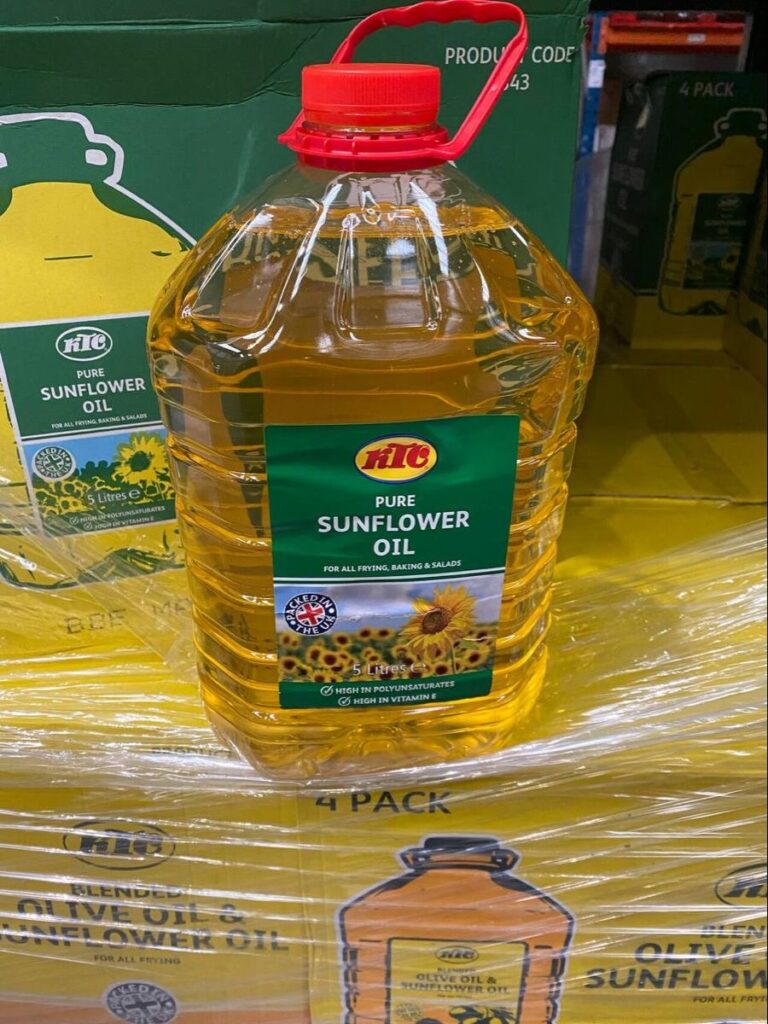
Refined Cooking Oil Liquidation Pallets: A Profitable Opportunity for Grocery Retailers and Food Product Resellers
Refined cooking oil liquidation pallets have become an increasingly attractive inventory category within the grocery and food product liquidation industry. Cooking oil remains one of the most essential products found in households, restaurants, catering businesses, food service operations, and commercial kitchens worldwide. This consistent demand creates valuable opportunities for retailers, wholesalers, warehouse outlets, discount stores, grocery businesses, and food distributors seeking profitable inventory.
For businesses looking to source food-related merchandise at discounted prices, refunded cooking oil liquidation pallets provide access to bulk inventory that may include vegetable oil, canola oil, sunflower oil, corn oil, blended oils, restaurant-grade products, and grocery merchandise. These pallets often originate from overstock inventories, warehouse clearances, excess inventory programs, customer returns, and liquidation channels.
Unlike many seasonal product categories, cooking oil remains a staple food item purchased throughout the year. Consumers, restaurants, bakeries, catering businesses, and food service operators continually replenish cooking oil supplies, creating recurring demand that supports strong inventory turnover.
Whether you operate a grocery store, wholesale distribution business, warehouse outlet, food supply company, convenience store, or export operation, refunded cooking oil liquidation pallets provide access to inventory that consumers and businesses consistently require.
What Are Refined Cooking Oil Liquidation Pallets?
Refunded cooking oil liquidation pallets are wholesale inventory loads containing cooking oil products sourced from retailer returns, overstock inventories, warehouse clearances, shelf pulls, excess stock programs, and liquidation channels.
These pallets may include:
- Vegetable oil
- Canola oil
- Sunflower oil
- Corn oil
- Blended cooking oils
- Restaurant-grade cooking oils
- Food service products
- Grocery merchandise
- Bulk packaging formats
- Commercial kitchen supplies
Inventory composition varies depending on the source and supplier.
Why Cooking Oil Products Remain in High Demand
Several factors contribute to strong demand for cooking oil products.
Essential Household Product
Cooking oil remains a kitchen staple for millions of households.
Restaurant and Food Service Demand
Commercial food operations require substantial quantities of cooking oil.
Frequent Replenishment
Cooking oil is a consumable product that requires regular replacement.
Broad Consumer Market
Demand comes from:
- Households
- Restaurants
- Catering businesses
- Bakeries
- Food trucks
- Commercial kitchens
This diversity helps support year-round demand.
Products Commonly Found in Refunded Cooking Oil Liquidation Pallets
Inventory composition varies depending on the supplier.
Vegetable Oil
Vegetable oil remains one of the most commonly used cooking oils.
Canola Oil
Canola oil is popular among both households and food service operators.
Sunflower Oil
Sunflower oil continues generating strong consumer demand.
Corn Oil
Corn oil remains widely used in cooking and food preparation.
Commercial Food Service Products
Some pallets may include bulk packaging formats designed for restaurants and commercial kitchens.
Benefits of Buying Refined Cooking Oil Liquidation Pallets
Lower Acquisition Costs
Liquidation pricing often provides inventory below traditional wholesale rates.
Consistent Consumer Demand
Cooking oil remains a necessity rather than a discretionary purchase.
Multiple Customer Segments
Inventory appeals to both consumers and businesses.
Repeat Purchase Opportunities
Cooking oil products require ongoing replenishment.
Multiple Sales Channels
Products can be sold through:
- Grocery stores
- Convenience stores
- Wholesale distributors
- Warehouse outlets
- Food service suppliers
Who Can Profit from Refined Cooking Oil Liquidation Pallets?
Several business models benefit from cooking oil inventory.
Grocery Stores
Retail grocery businesses often seek affordable inventory sourcing opportunities.
Wholesale Food Distributors
Distributors frequently purchase large quantities of cooking oil products.
Warehouse Outlets
Bulk inventory works well in warehouse environments.
Convenience Stores
Many convenience retailers carry cooking oil products.
Export Businesses
International demand for food products remains strong.
Understanding Consumer Buying Behavior
Consumers purchase cooking oil products for several reasons.
These include:
- Meal preparation
- Baking
- Frying
- Commercial food production
- Restaurant operations
Because cooking oil is an essential product, demand remains relatively stable throughout the year.
How to Evaluate Refined Cooking Oil Liquidation Pallets
Before purchasing inventory, buyers should evaluate:
Product Condition
Inventory may include:
- Overstock merchandise
- Excess inventory
- Shelf pulls
- Returned products
Packaging Integrity
Product packaging should be reviewed carefully.
Product Variety
A balanced assortment often improves resale opportunities.
Shipping Costs
Transportation expenses should always be included when calculating profitability.
Why Grocery Inventory Continues Generating Strong Sales
Several factors support long-term demand:
- Growing population
- Food consumption requirements
- Restaurant industry expansion
- Grocery retail growth
- Food service industry demand
These factors help make refunded cooking oil liquidation pallets one of the strongest opportunities within the grocery liquidation market.
Building a Successful Business with Refunded Cooking Oil Liquidation Pallets
Many successful grocery retailers and food product distributors begin with a few pallets before expanding into larger wholesale purchasing programs. Refunded cooking oil liquidation pallets offer a valuable opportunity because cooking oil remains an essential product used by households, restaurants, catering companies, bakeries, food manufacturers, and commercial kitchens.
Unlike seasonal merchandise that experiences fluctuations in demand, cooking oil products are consumed regularly and require frequent replenishment. This recurring demand creates opportunities for retailers to build repeat customer relationships while maintaining consistent inventory turnover.
For entrepreneurs entering the grocery liquidation industry, cooking oil inventory provides access to products that consumers purchase throughout the year regardless of economic conditions.
Understanding the Global Cooking Oil Market
Cooking oil remains one of the most important products within the food industry.
Several factors contribute to ongoing demand:
- Population growth
- Expanding restaurant industry
- Growth of food service businesses
- Increased food production
- Rising grocery consumption
- Expanding export opportunities
These factors support long-term demand across multiple customer segments.
Household Demand
Millions of households rely on cooking oil for meal preparation every day.
Restaurant Industry Growth
Restaurants and food service operations require large quantities of cooking oil.
Commercial Food Production
Food manufacturers frequently purchase bulk cooking oil products.
Catering Services
Catering businesses often require significant cooking oil inventory for event preparation.
This diversity of demand helps support stable sales opportunities.
Organizing Cooking Oil Inventory Efficiently
Effective inventory management helps improve profitability and operational performance.
Upon receiving inventory, products should be organized according to:
Oil Type
Separate products into:
- Vegetable oil
- Canola oil
- Sunflower oil
- Corn oil
- Blended oils
Packaging Size
Different package sizes often appeal to different customer groups.
Product Condition
Inventory should be categorized according to packaging quality and condition.
Commercial and Consumer Products
Commercial food service inventory should be separated from consumer-oriented products.
Proper organization improves efficiency and inventory visibility.
Creating Product Bundles for Increased Revenue
Bundling can increase average transaction values while helping move inventory efficiently.
Restaurant Supply Packages
Combine cooking oil with complementary food service products.
Grocery Essentials Bundles
Create packages featuring frequently purchased household items.
Commercial Kitchen Packages
Group products designed for restaurants and food service operators.
Bulk Purchasing Programs
Offer quantity-based purchasing incentives for larger buyers.
These strategies often improve customer satisfaction while increasing profitability.
Pricing Strategies for Cooking Oil Inventory
Pricing should reflect several important factors.
Product Condition
Products with intact packaging generally support stronger resale values.
Package Size
Larger containers may require different pricing strategies than smaller units.
Market Demand
Demand fluctuations may affect pricing opportunities.
Product Variety
Certain cooking oil categories may command stronger demand.
Transportation Costs
Shipping and handling expenses should always be incorporated into pricing calculations.
Balanced pricing helps maximize both sales volume and profit margins.
Why Cooking Oil Products Perform Well in Secondary Markets
Several factors make cooking oil products attractive to resellers.
Consumers frequently purchase based on:
- Necessity
- Affordability
- Household demand
- Restaurant requirements
- Commercial food production needs
Unlike discretionary products, cooking oil remains an essential purchase for many customers.
This helps support consistent demand across multiple market segments.
Common Mistakes New Grocery Resellers Make
Many beginners make avoidable mistakes when purchasing food inventory.
Poor Inventory Rotation
Products should be managed carefully to ensure efficient inventory turnover.
Ignoring Packaging Quality
Packaging condition can influence customer purchasing decisions.
Weak Product Descriptions
Detailed listings improve customer confidence.
Underestimating Storage Requirements
Food inventory often requires organized storage systems.
Failing to Monitor Demand Trends
Understanding customer demand helps improve future purchasing decisions.
Avoiding these mistakes can improve overall business performance.
The Importance of Product Presentation
Consumers often evaluate food products based on packaging appearance and product information.
Effective listings should include:
- Product photographs
- Package size details
- Product descriptions
- Intended uses
- Brand information
Professional presentation helps improve customer trust and conversion rates.
Best Sales Channels for Refunded Cooking Oil Inventory
Cooking oil products perform well across numerous sales channels.
Grocery Stores
Retail grocery businesses remain one of the strongest sales channels.
Convenience Stores
Convenience retailers often stock cooking oil products.
Wholesale Distribution
Wholesale buyers frequently purchase larger quantities.
Warehouse Outlets
Bulk inventory performs well within warehouse environments.
Export Markets
International demand for food products remains strong.
Diversified sales strategies often produce the strongest results.
Expanding Beyond Cooking Oil Inventory
Many successful food product resellers eventually diversify inventory categories.
Popular additions include:
- Grocery merchandise
- Food service products
- Household essentials
- Consumer packaged goods
- Restaurant supplies
- General merchandise
Diversification helps create additional revenue streams while reducing inventory concentration risk.
Inventory Turnover and Cash Flow Management
Inventory turnover remains one of the most important business metrics.
Fast-moving inventory improves:
- Cash flow
- Purchasing flexibility
- Operational efficiency
- Profitability
Successful businesses monitor:
- Product demand
- Inventory age
- Customer purchasing behavior
- Seasonal trends
These insights help optimize future purchasing decisions.
International Opportunities for Food Product Resellers
Global demand for grocery products continues growing.
Many wholesalers purchase food inventory specifically for export opportunities.
International buyers frequently seek:
- Cooking oil products
- Grocery merchandise
- Food service inventory
- Consumer packaged goods
Export opportunities can significantly expand revenue potential.
Why Refined Cooking Oil Liquidation Pallets Remain a Long-Term Opportunity
Several factors support the long-term strength of this category.
These include:
- Consistent consumer demand
- Growth of the food industry
- Expanding restaurant sector
- Strong grocery sales
- Recurring purchasing behavior
As food consumption continues increasing worldwide, refunded cooking oil liquidation pallets will remain one of the strongest opportunities within the grocery liquidation industry.
Conclusion
Refined cooking oil liquidation pallets offer one of the most attractive opportunities within the grocery and food product liquidation markets. The combination of recurring consumer demand, broad customer appeal, and strong inventory turnover creates significant opportunities for wholesalers and resellers.
Whether you operate a grocery store, wholesale distribution company, warehouse outlet, food service business, or export operation, cooking oil inventory provides access to products that consumers and businesses consistently require.
Businesses that focus on inventory quality, customer service, strategic pricing, and efficient inventory management often achieve sustainable growth and long-term profitability. Food retailers looking to expand grocery inventory frequently source products from our Amazon Food Loads collection. General merchandise retailers frequently increase product variety through our Amazon Mystery Box Liquidation Pallets category. Discount stores often expand household inventory with our New Housewares Liquidation Pallets offerings. Retailers seeking consumable products frequently broaden inventory opportunities through our Pet Food Loads Liquidation Pallets collection. Warehouse outlets often complement grocery inventory with our Mixed Cosmetics Liquidation Pallets category. General merchandise businesses often increase inventory volume through our Walmart Liquidation Pallets offerings.
Explore market insights covering edible oils, food production, and global cooking oil consumption trends, Global edible oil market trends and consumption data. Review industry analysis regarding vegetable oil production, food supply chains, and agricultural commodity markets, Vegetable oil production and agricultural market analysis. Stay informed about food manufacturing trends, grocery distribution, and food industry developments, Food manufacturing and grocery industry insights. Access research covering global cooking oil markets, food service demand, and future industry growth opportunities, Cooking oil market research and growth forecasts. Learn more about food distribution, supply chain management, and wholesale grocery operations, Food distribution and wholesale grocery industry information. Follow developments in food retail, grocery merchandising, and consumer purchasing behavior, Food retail and grocery market trends.